Sapphire
A close look at September’s birthstone: what it is, why the blue you’re picturing is only half the story, and how to choose one well.
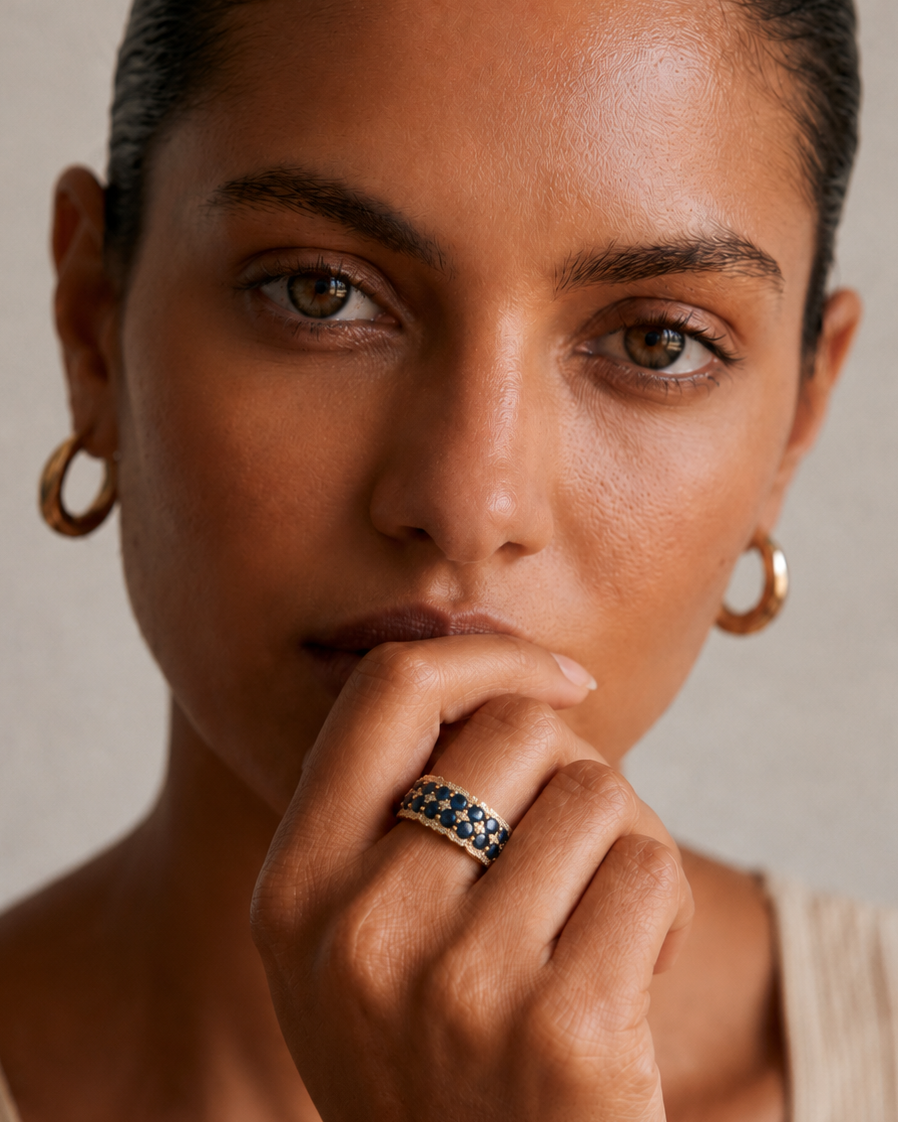
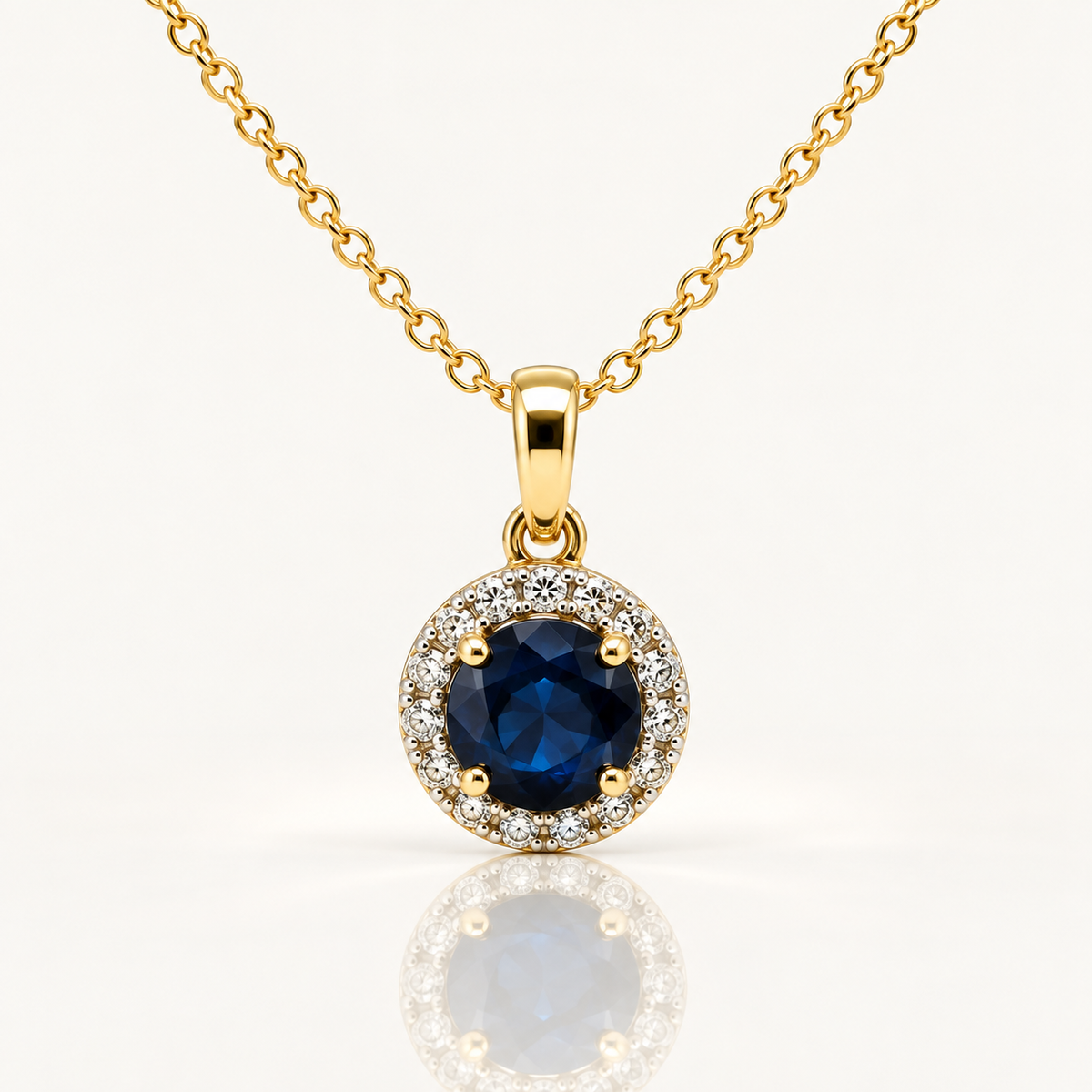
Sapphire is the stone people think they already know. Deep royal blue, a little regal, the colour of Diana’s ring. All true, and all only part of it. It’s one of the toughest gems you can wear, it turns up in nearly every colour of the rainbow, and some of the best come out of the ground a few states north of here. Here’s what’s worth knowing before you fall for one.
What is a sapphire, really?
Every colour except red, which is ruby
Sapphire is the gem form of corundum (crystallised aluminium oxide), and in its pure state it has no colour at all. The colour comes from a trace of something else creeping into the crystal as it grows. Iron and titanium give you the classic blue. Chromium turns it pink. Iron on its own leans yellow or green. Corundum shows up in nearly every colour there is, and all of them are sapphire, with one exception: when chromium pushes it to a full red, we stop calling it sapphire and call it ruby. Same mineral, different name. So a pink sapphire and a ruby are, quite literally, sisters.
Second only to diamond
Built for a lifetime on the hand
On the Mohs scale of hardness, sapphire sits at nine. Only diamond, at ten, is harder. Just as importantly, it has no cleavage, no natural plane where a knock can split it, so it takes daily life on the chin. That combination is why sapphire is one of the few coloured stones we’ll happily set in an engagement ring you’ll wear every day for fifty years.
The Mohs scale of mineral hardness — Talc (1) to Diamond (10)
It comes in every colour
Blue is just the famous one
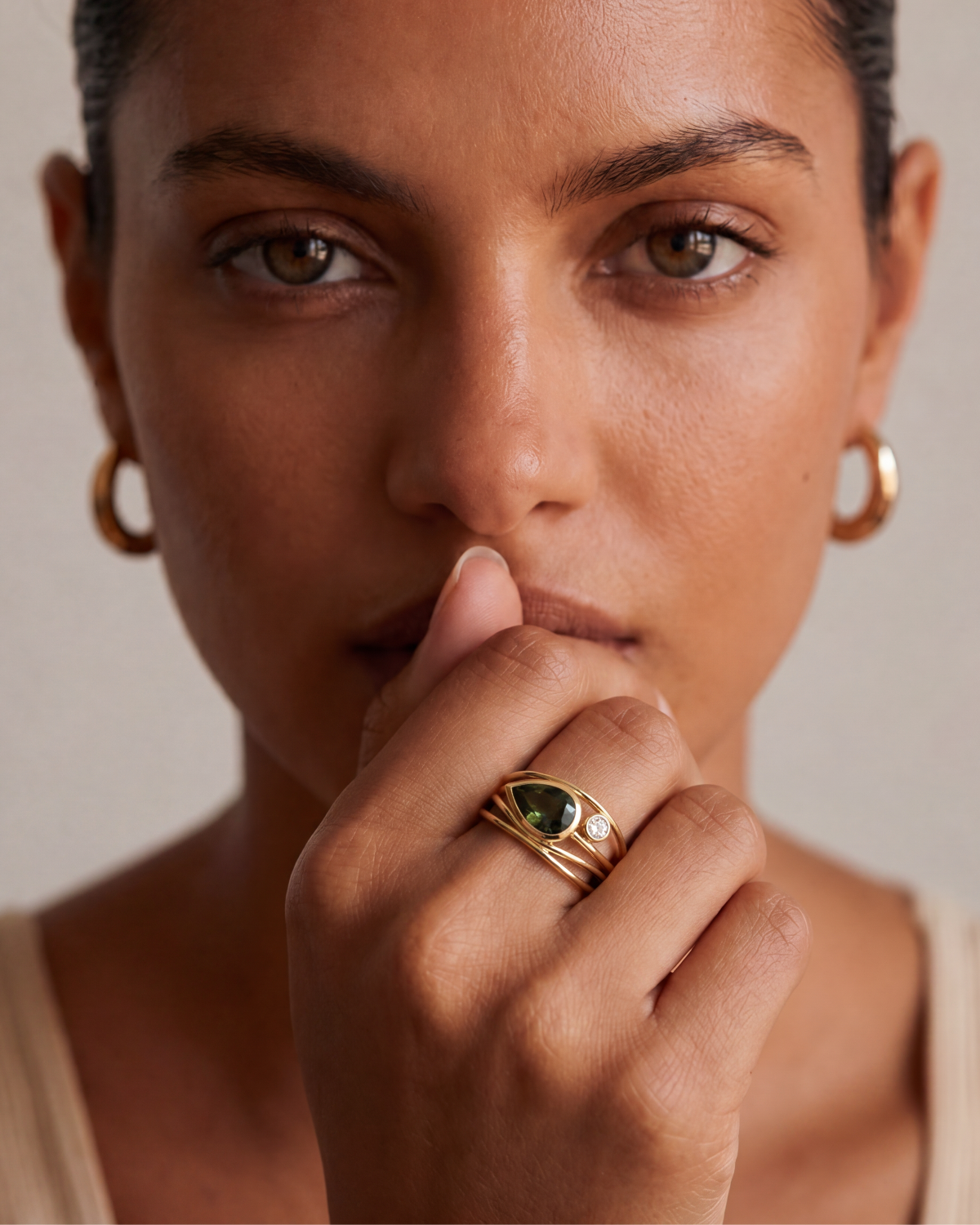
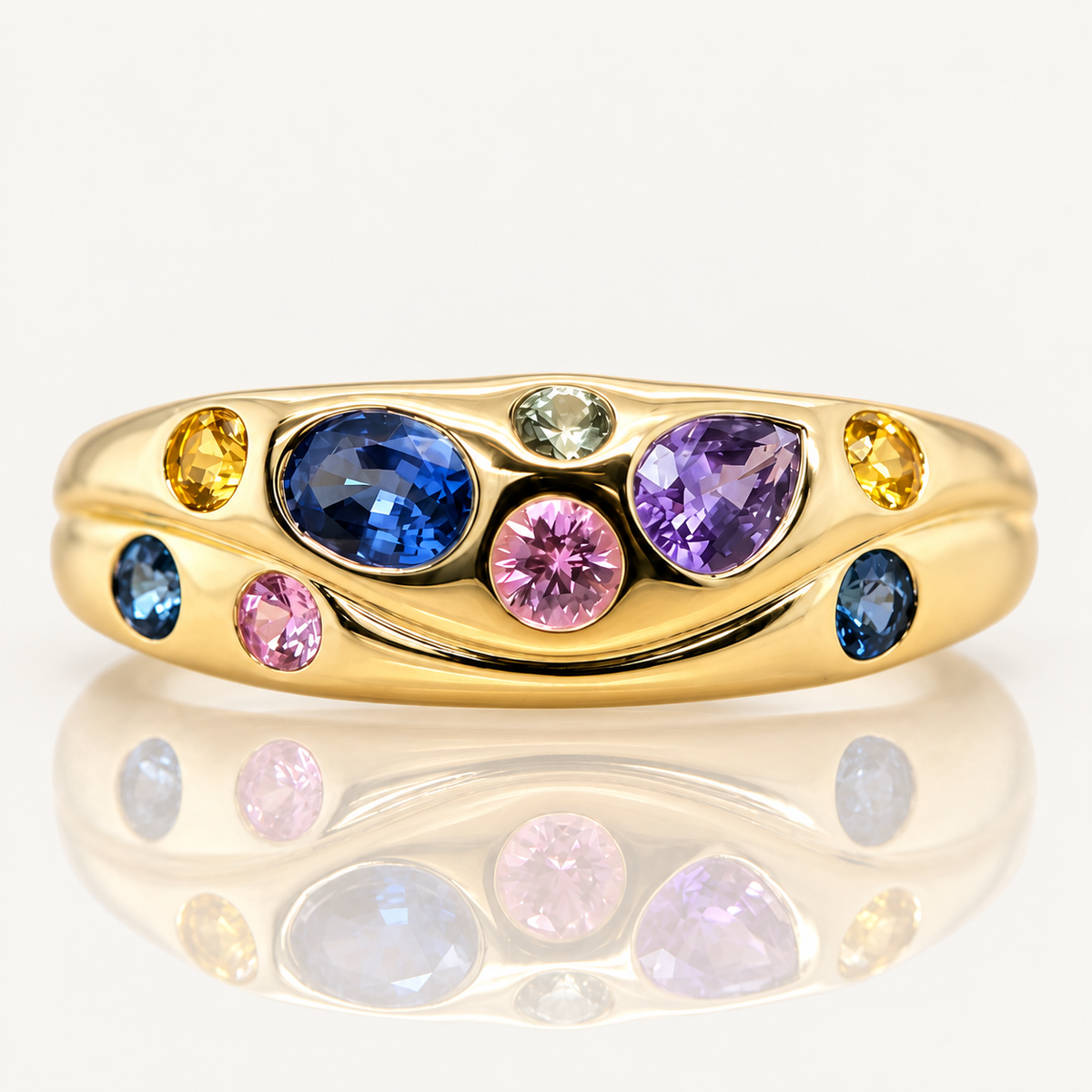
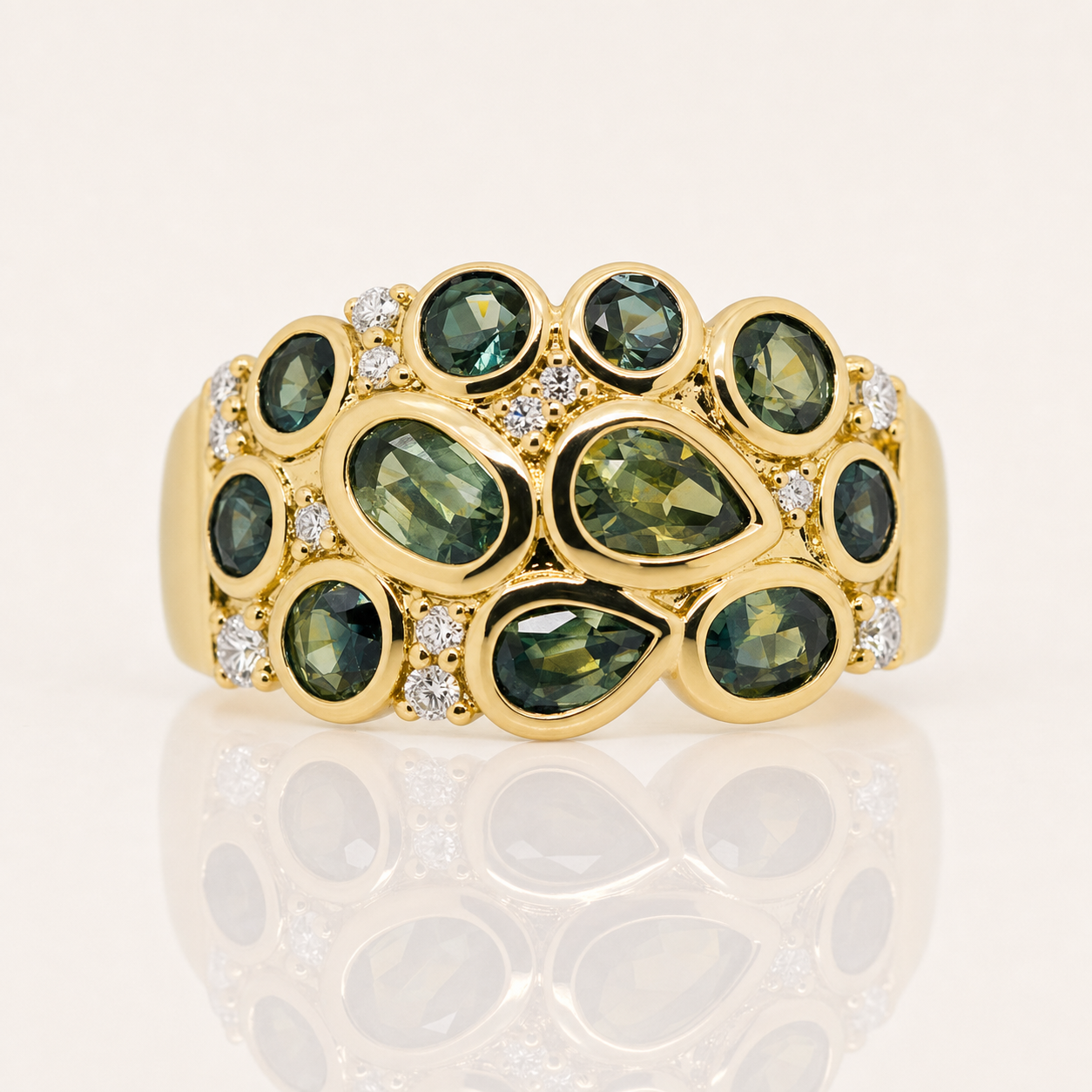
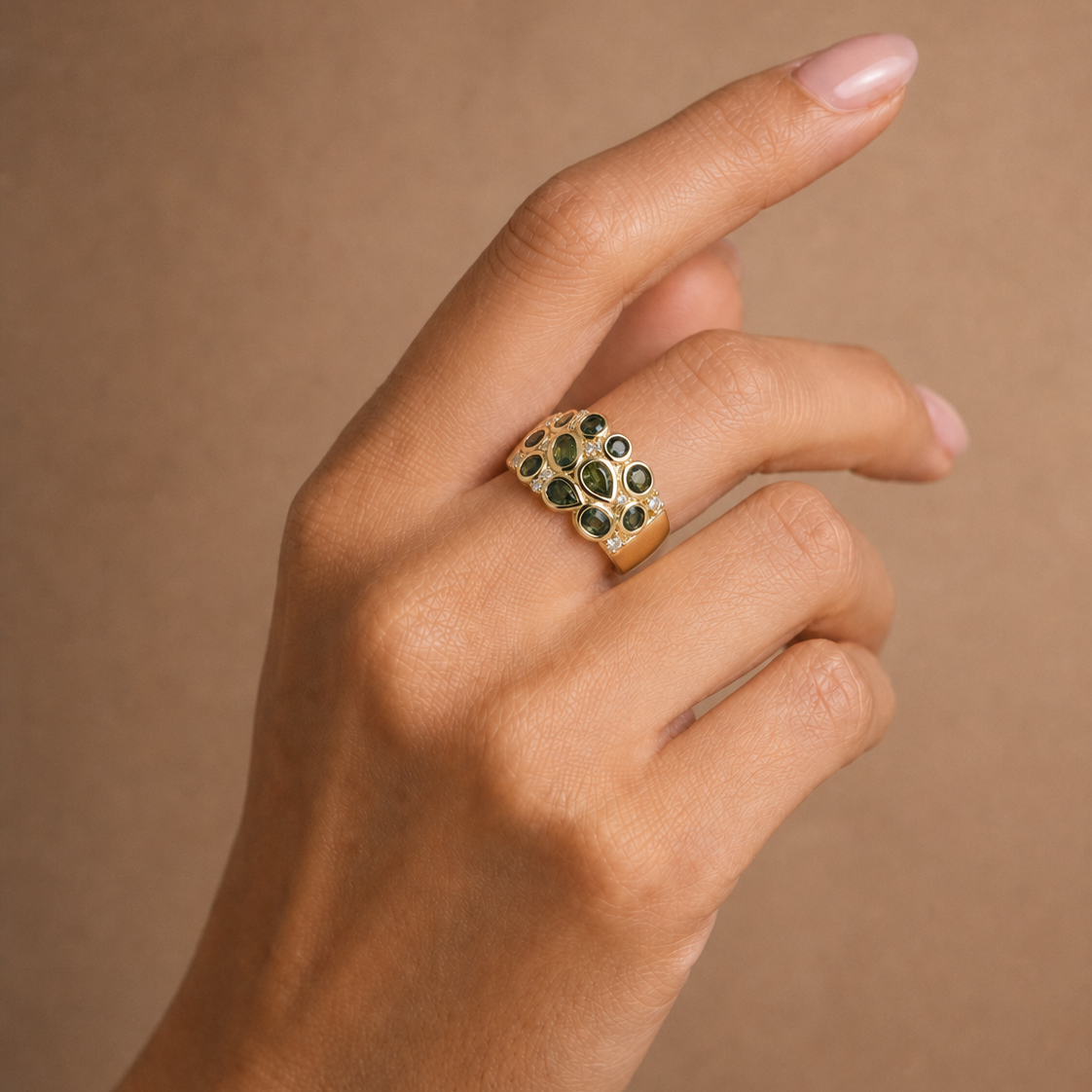
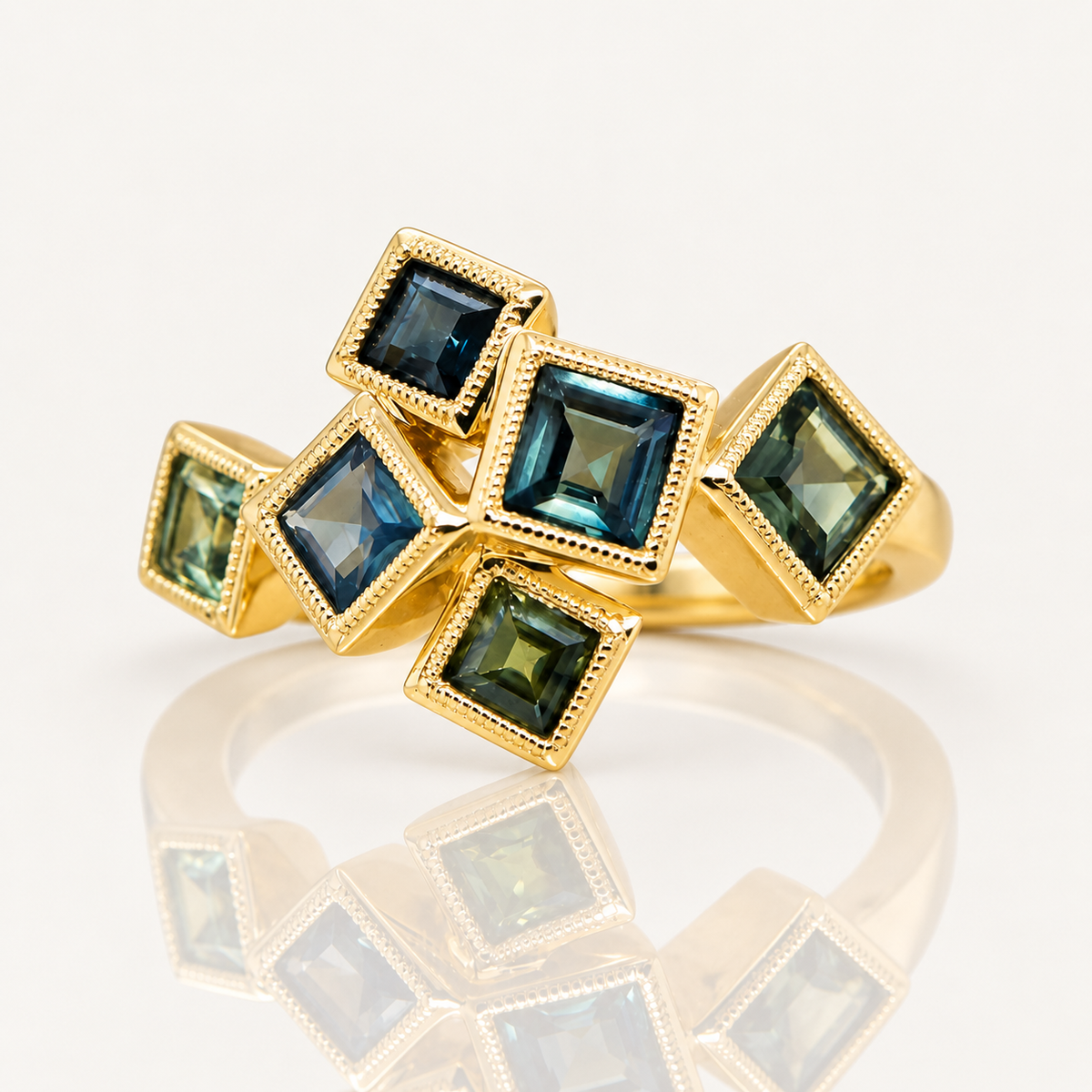
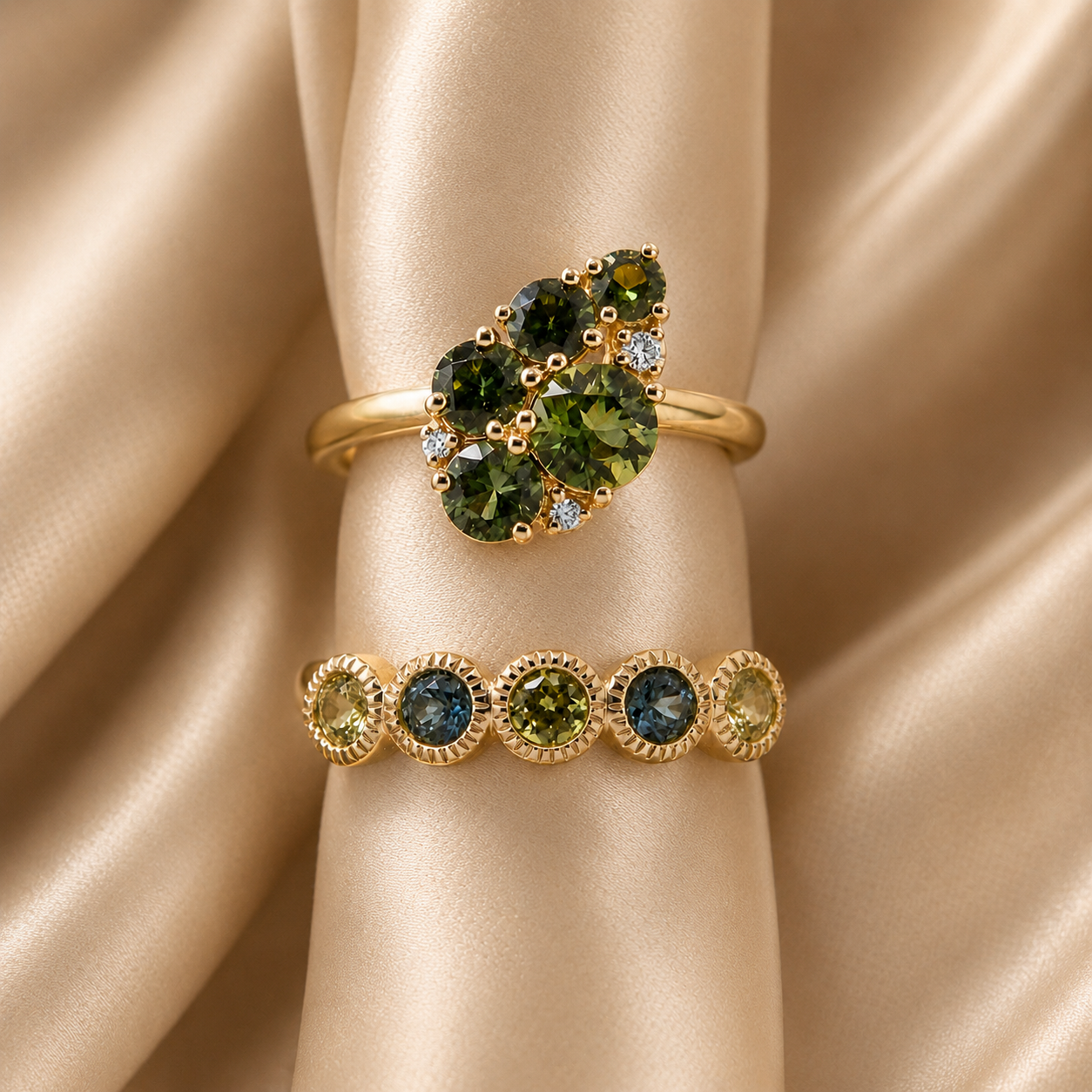
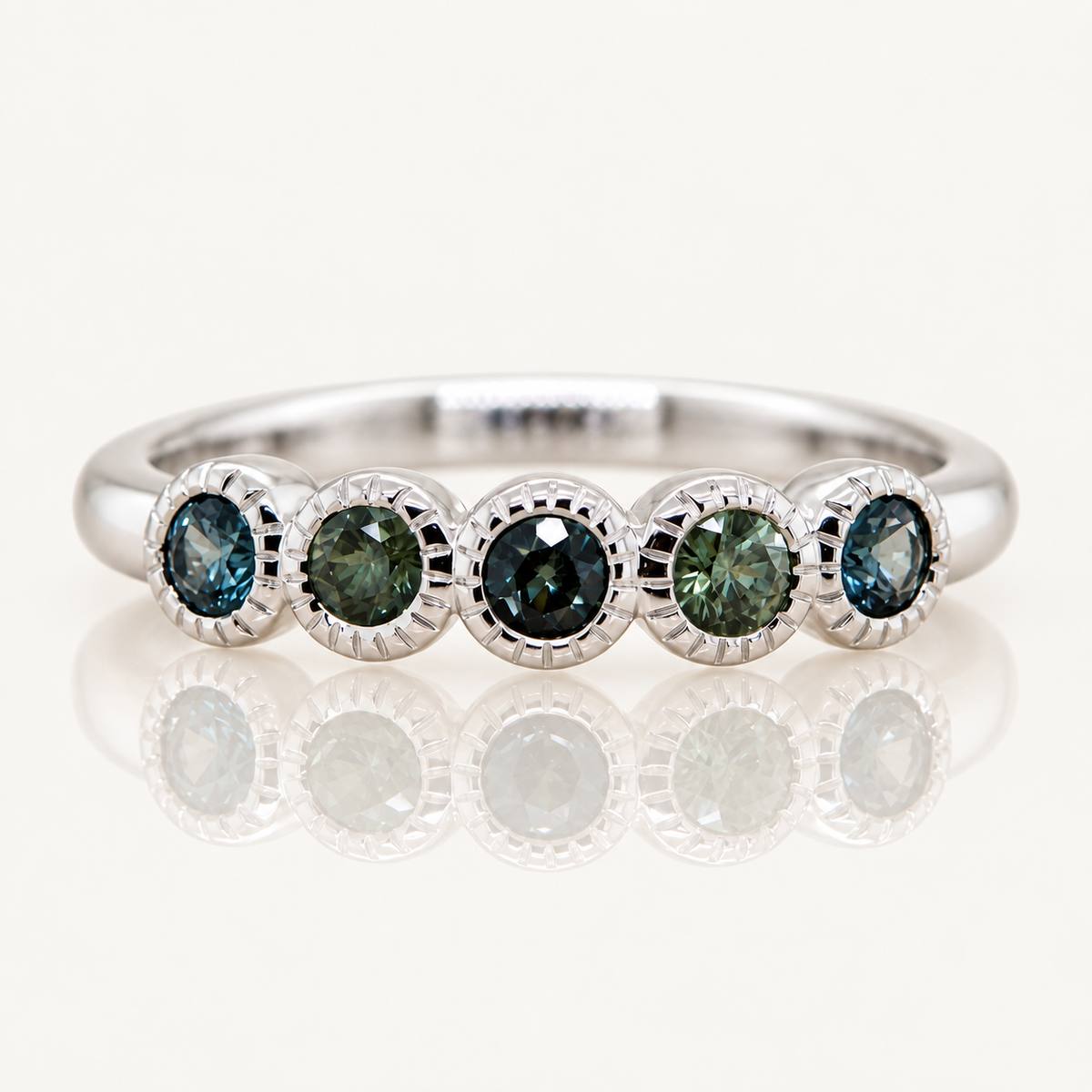
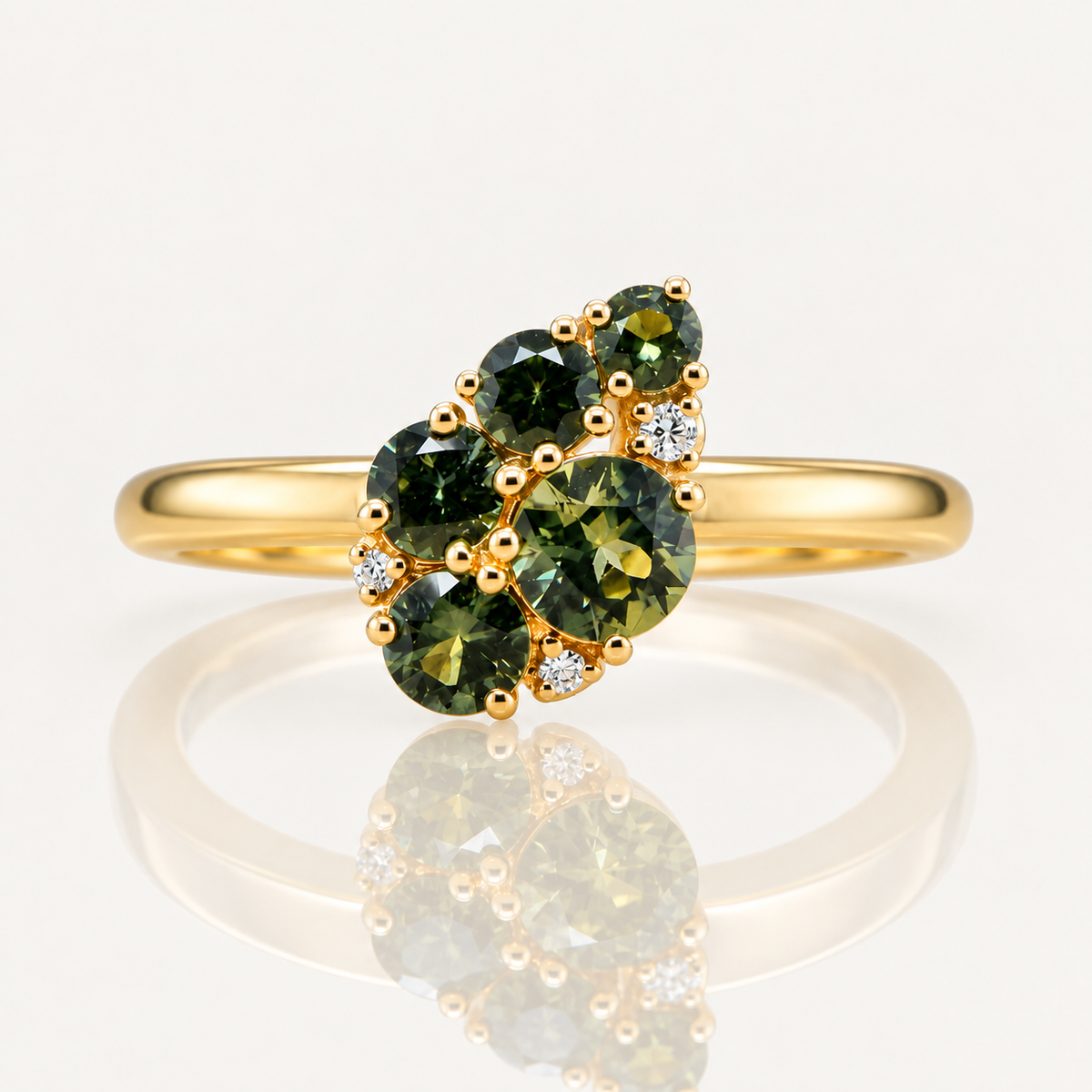
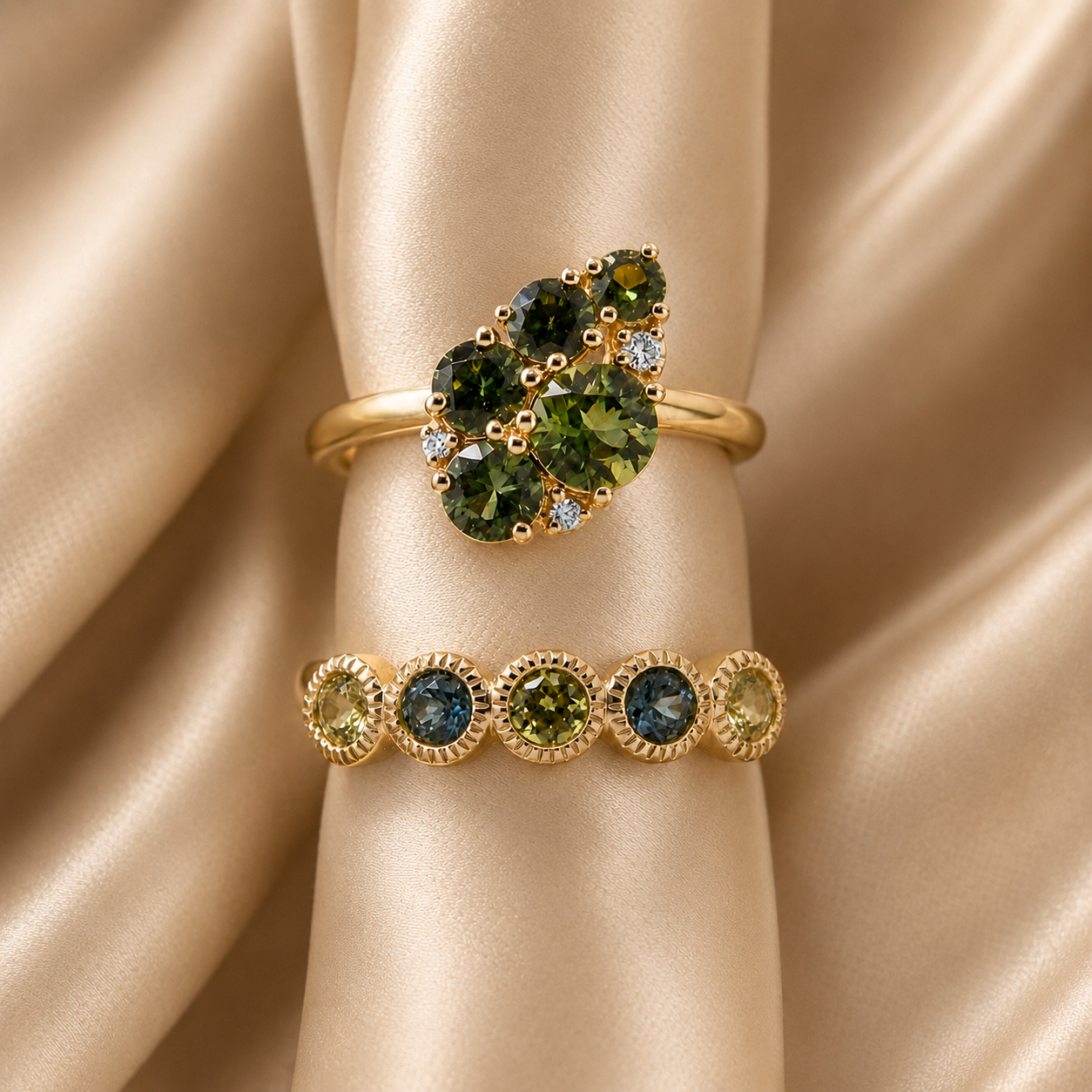
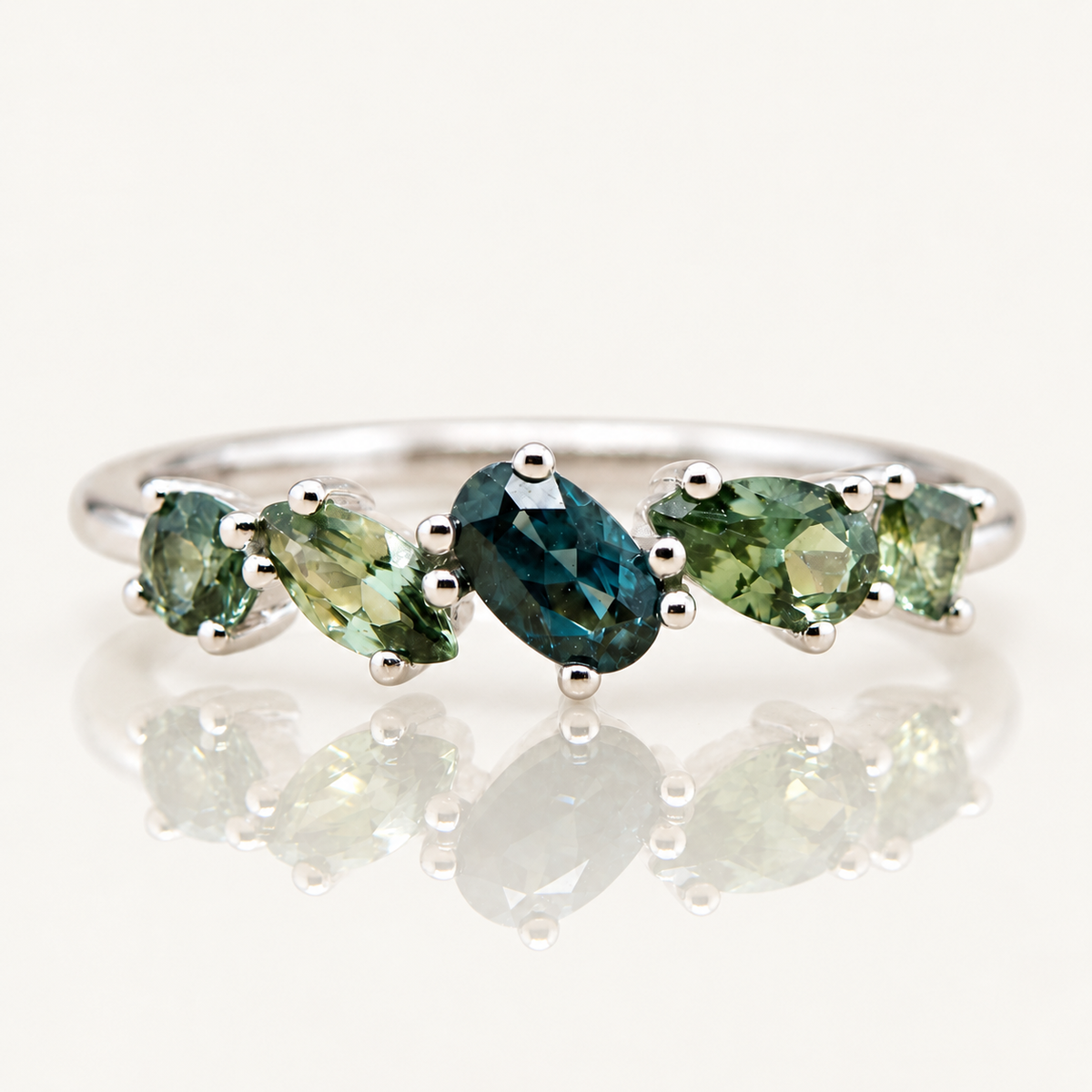
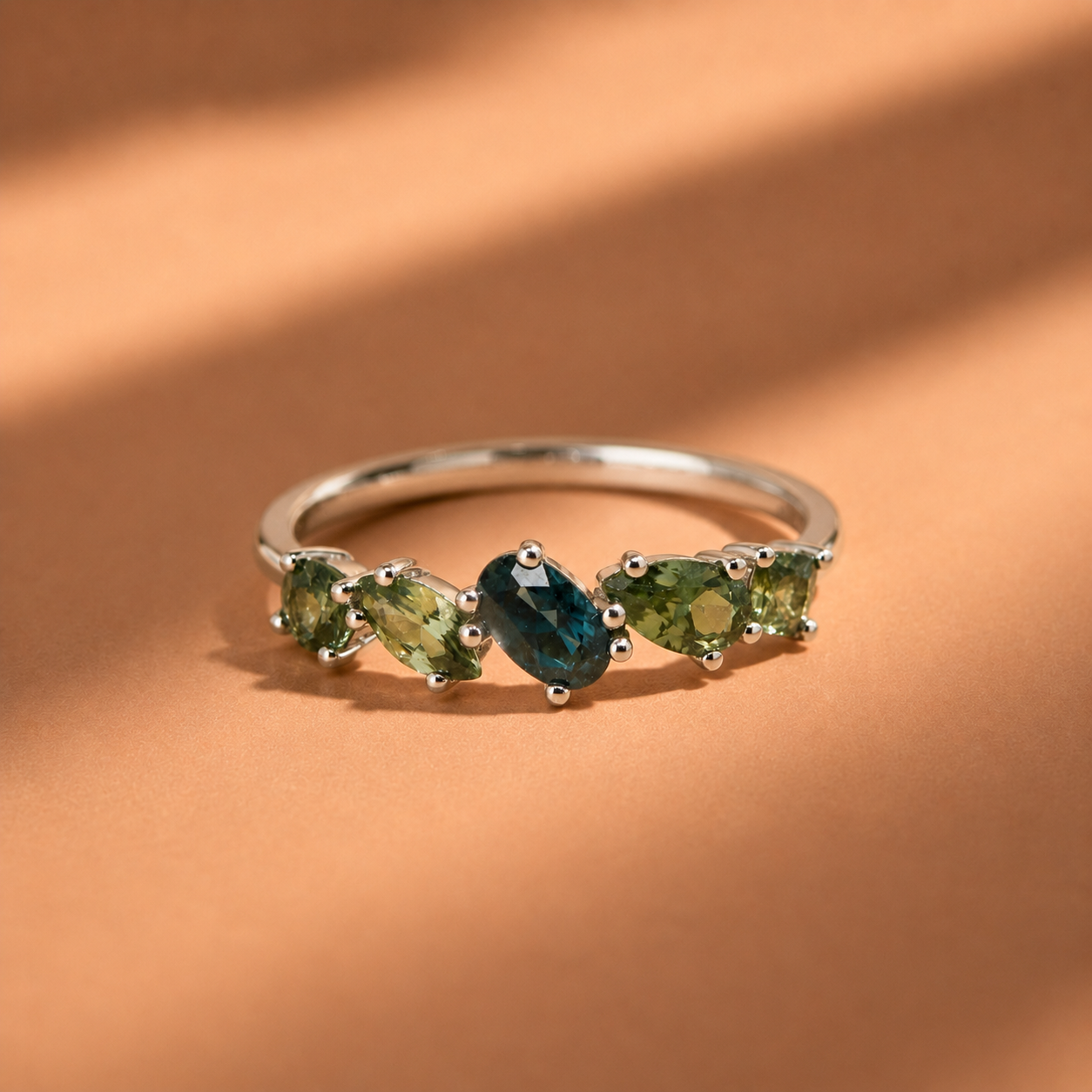
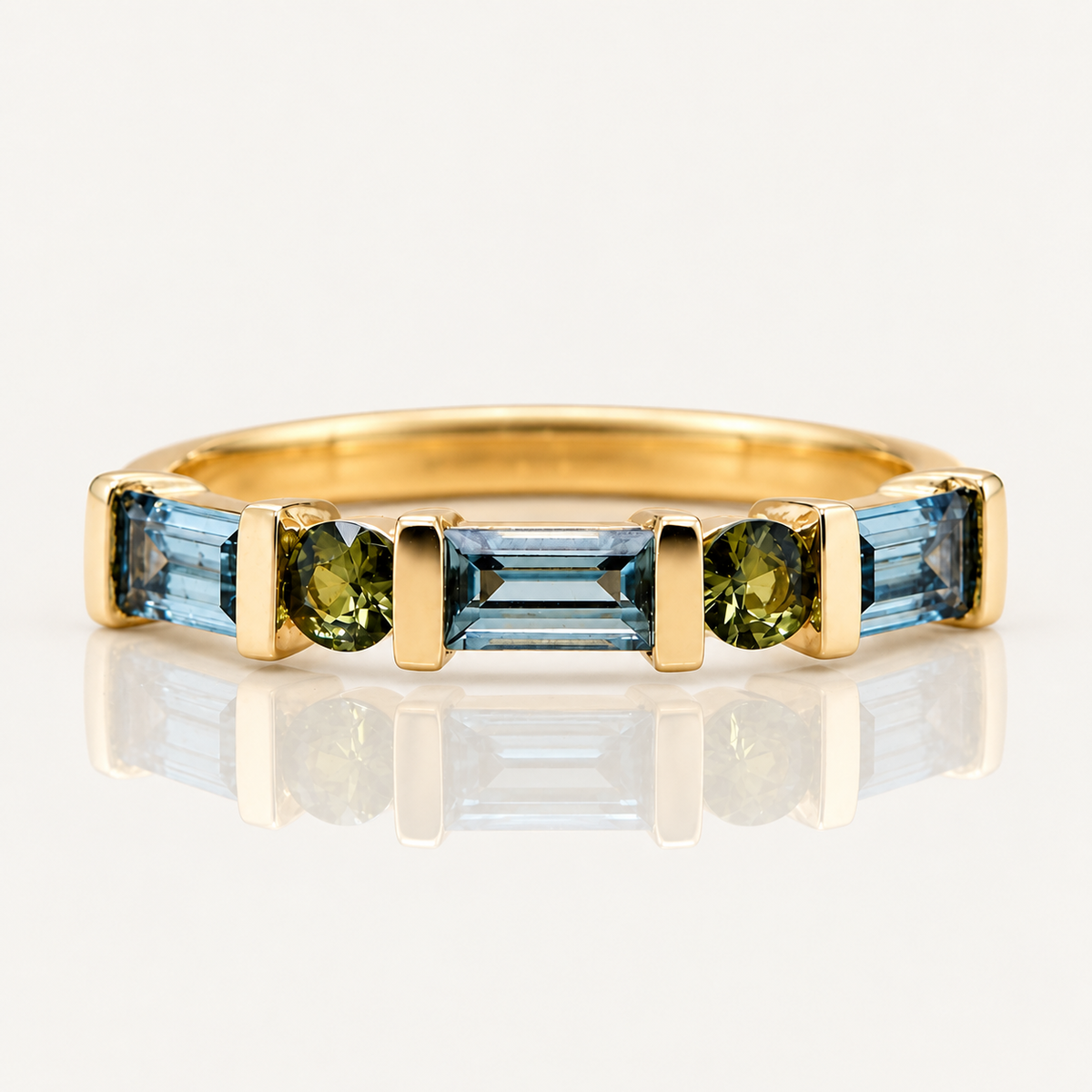
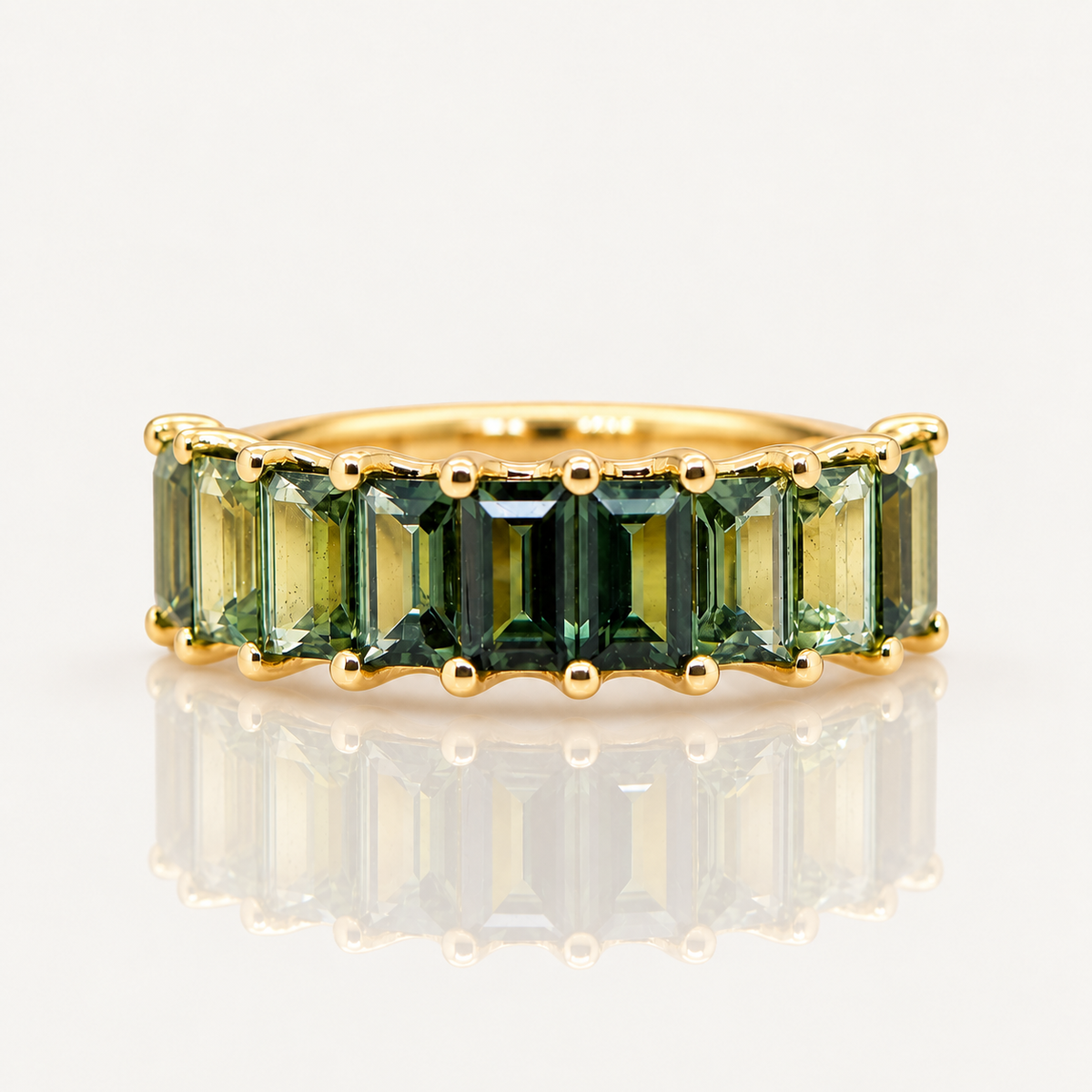
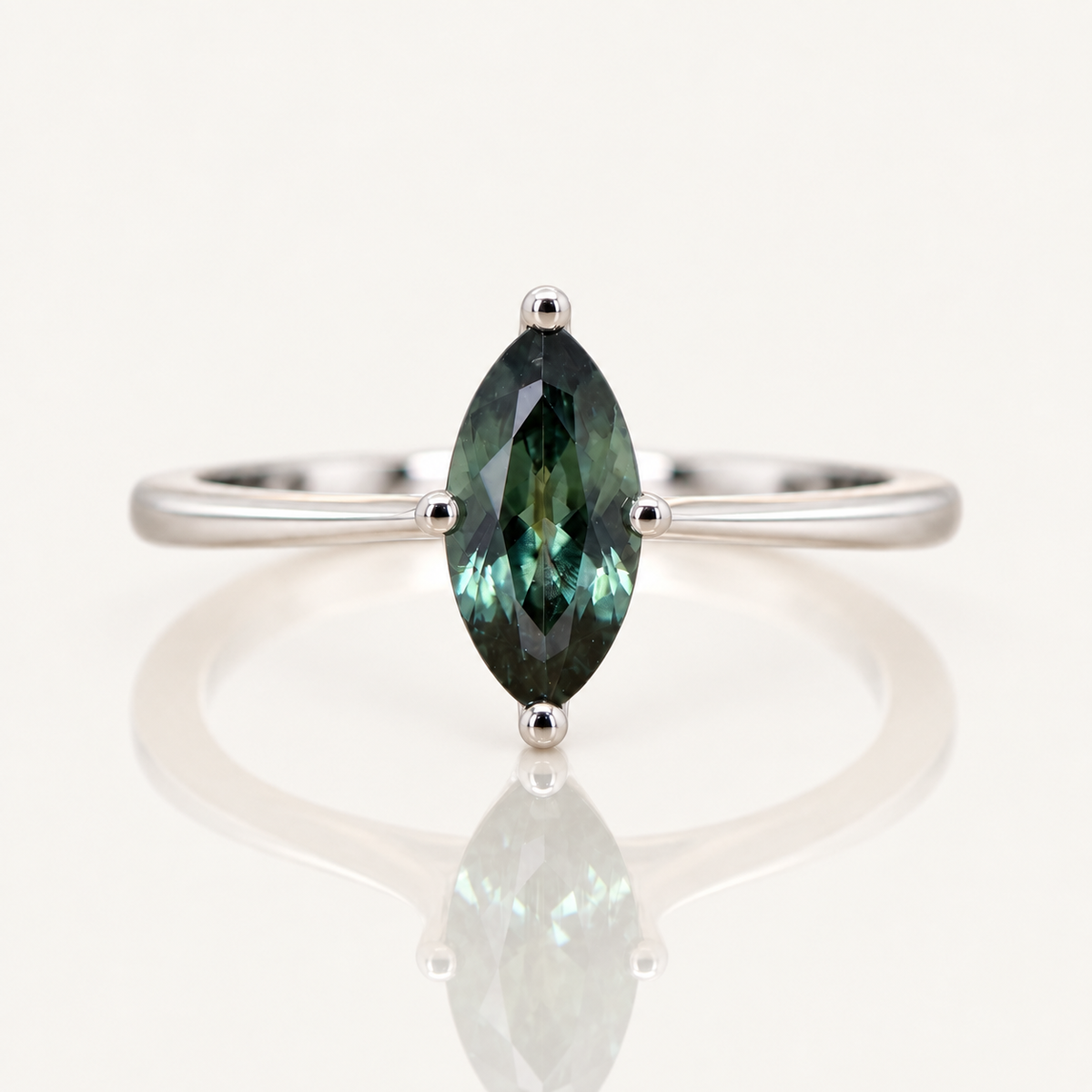
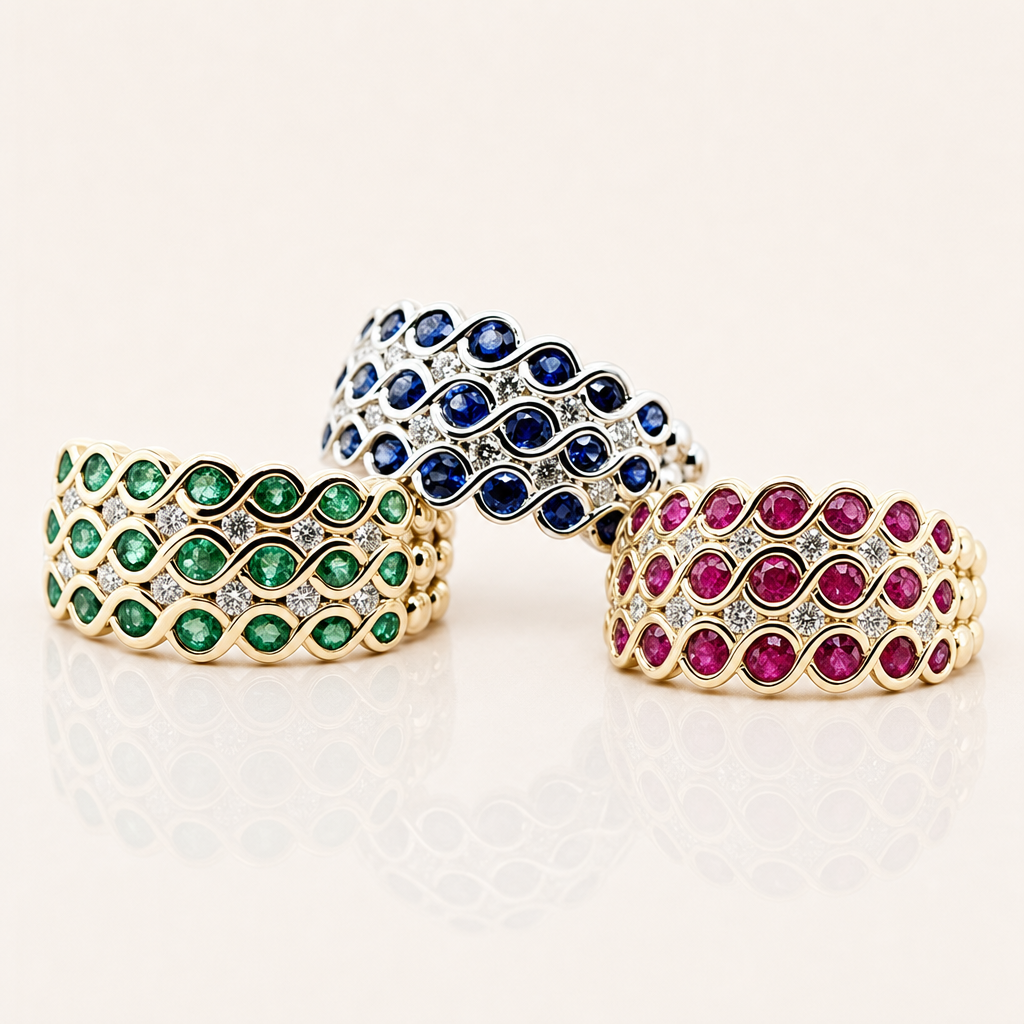
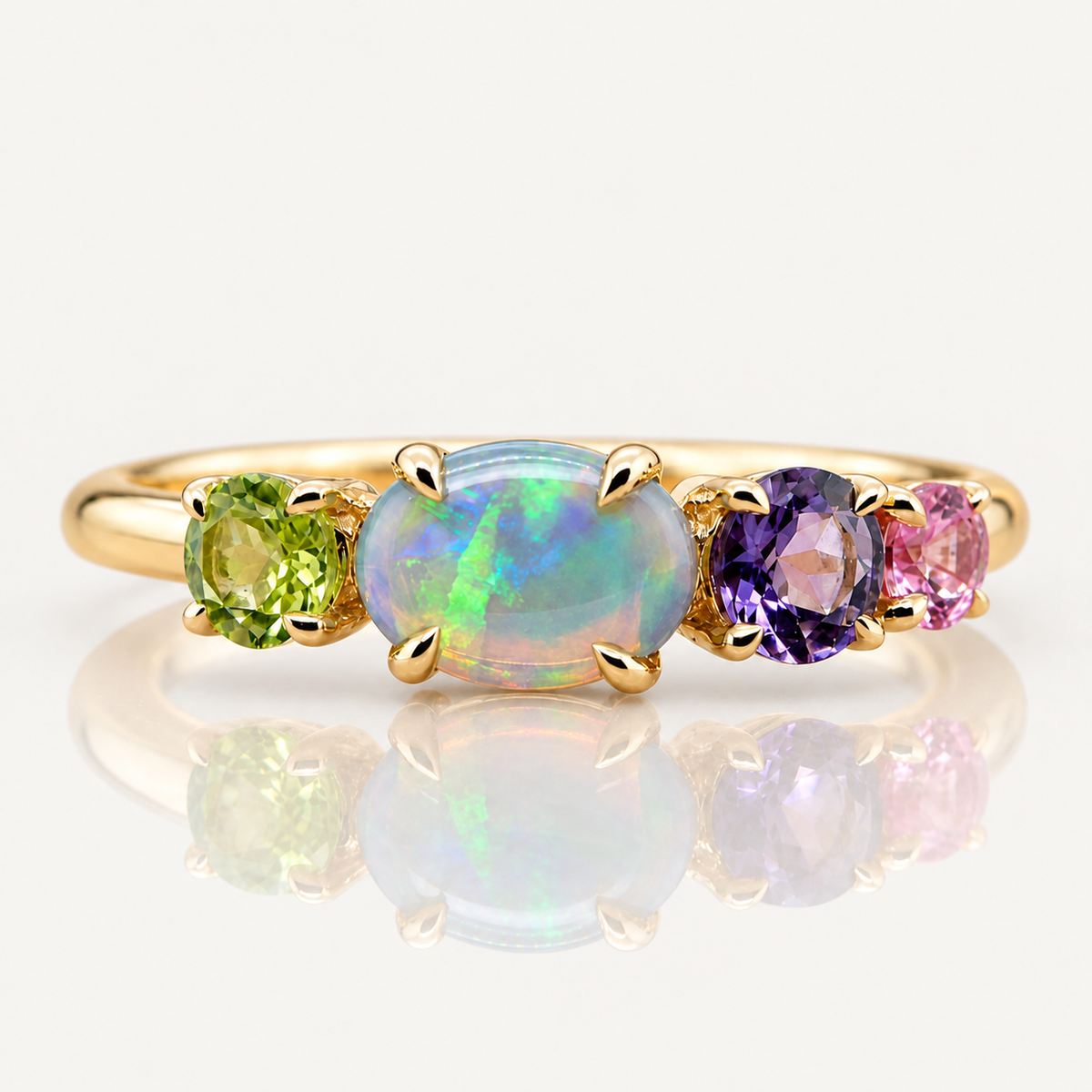
Because almost any trace element can slip into corundum, sapphire runs the full spectrum. Golden and honey-yellow Ceylon stones, soft pinks, forest and mint greens, and the ocean-toned teals and banded parti stones that Australia does better than anywhere. The rarest of the lot is padparadscha, a delicate pinkish-orange named after a lotus flower, which can outprice fine blue. Anything that isn’t blue gets called a “fancy” sapphire, and for an engagement ring that isn’t the usual, they’re some of the most characterful stones going.
The blue everyone pictures
“Royal” and “cornflower”
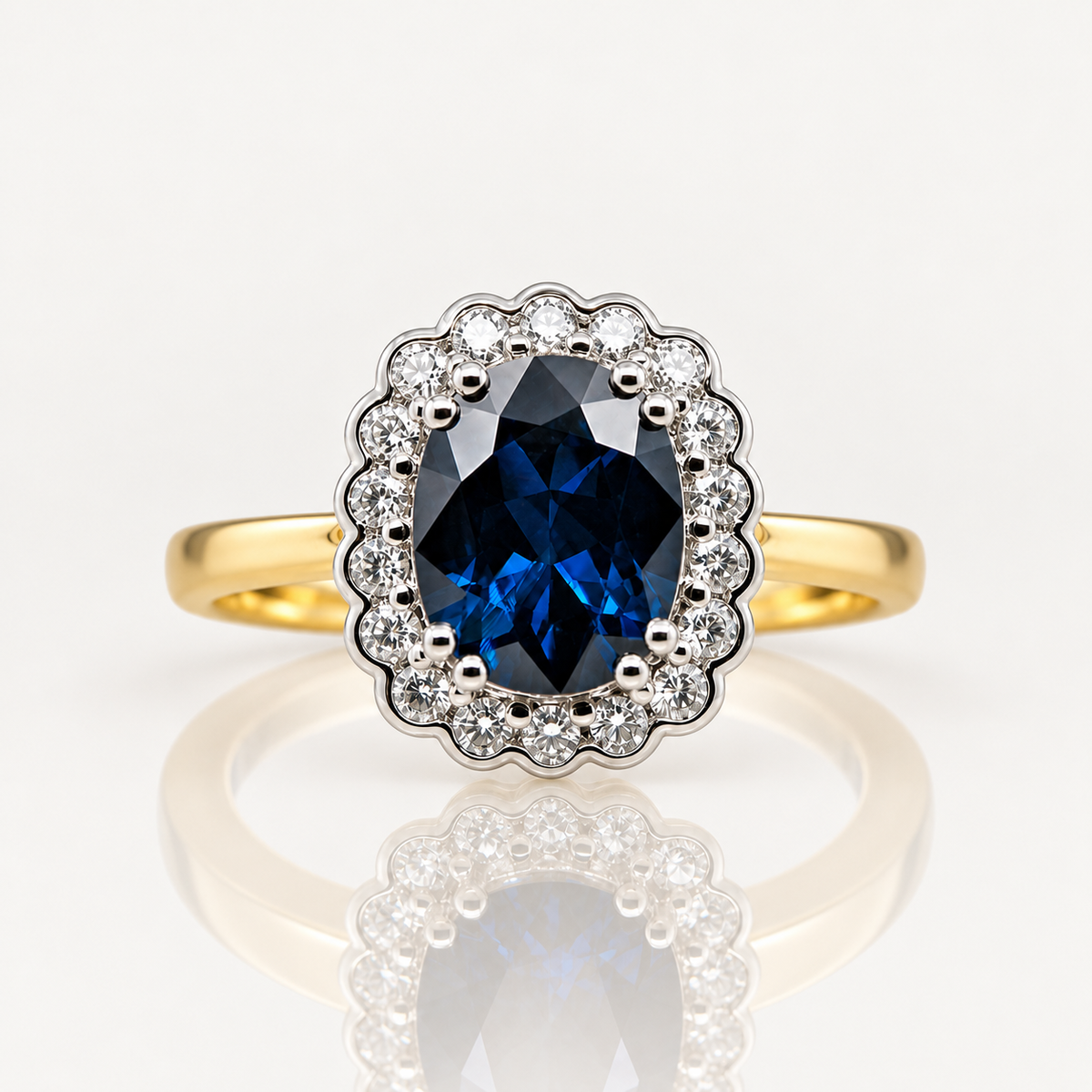
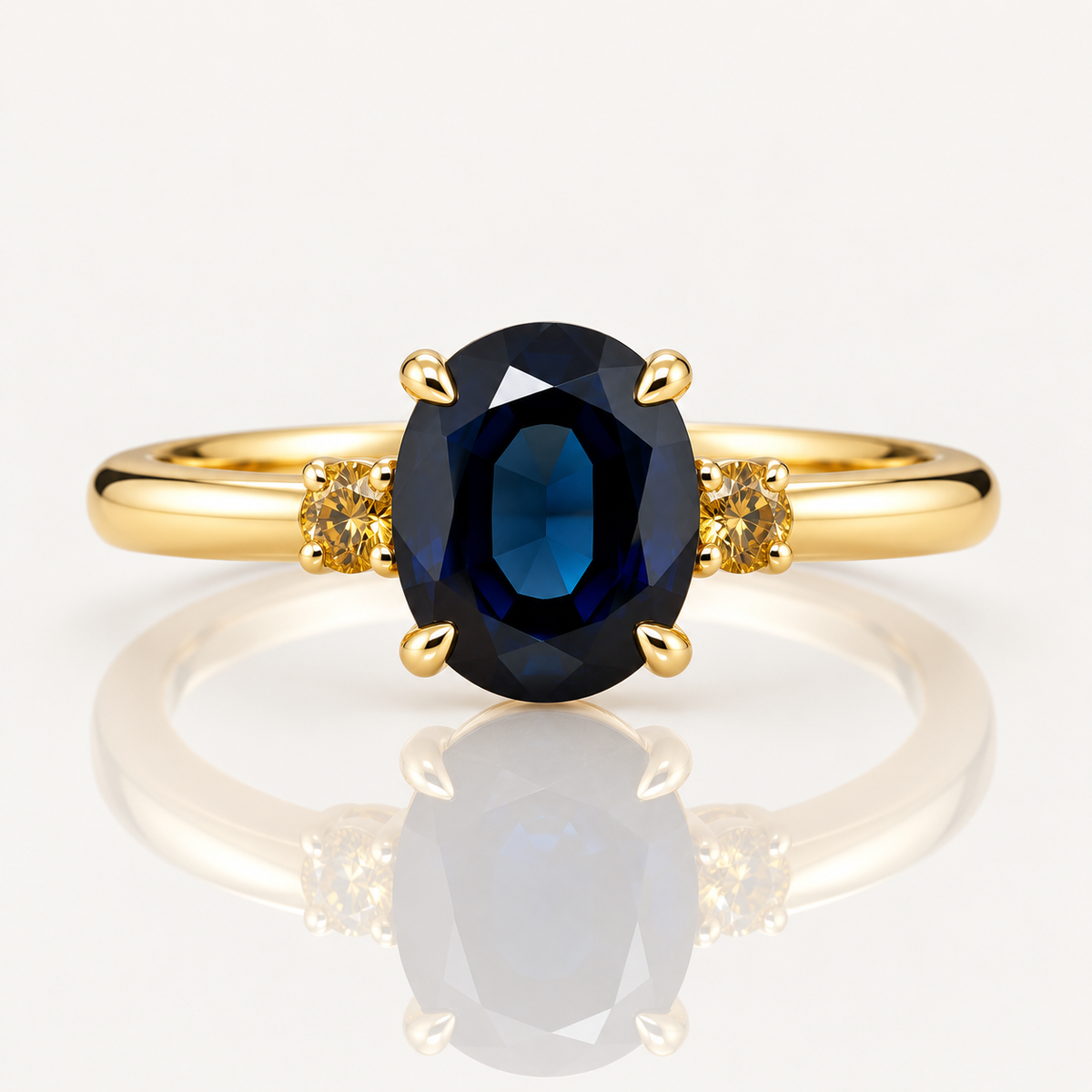
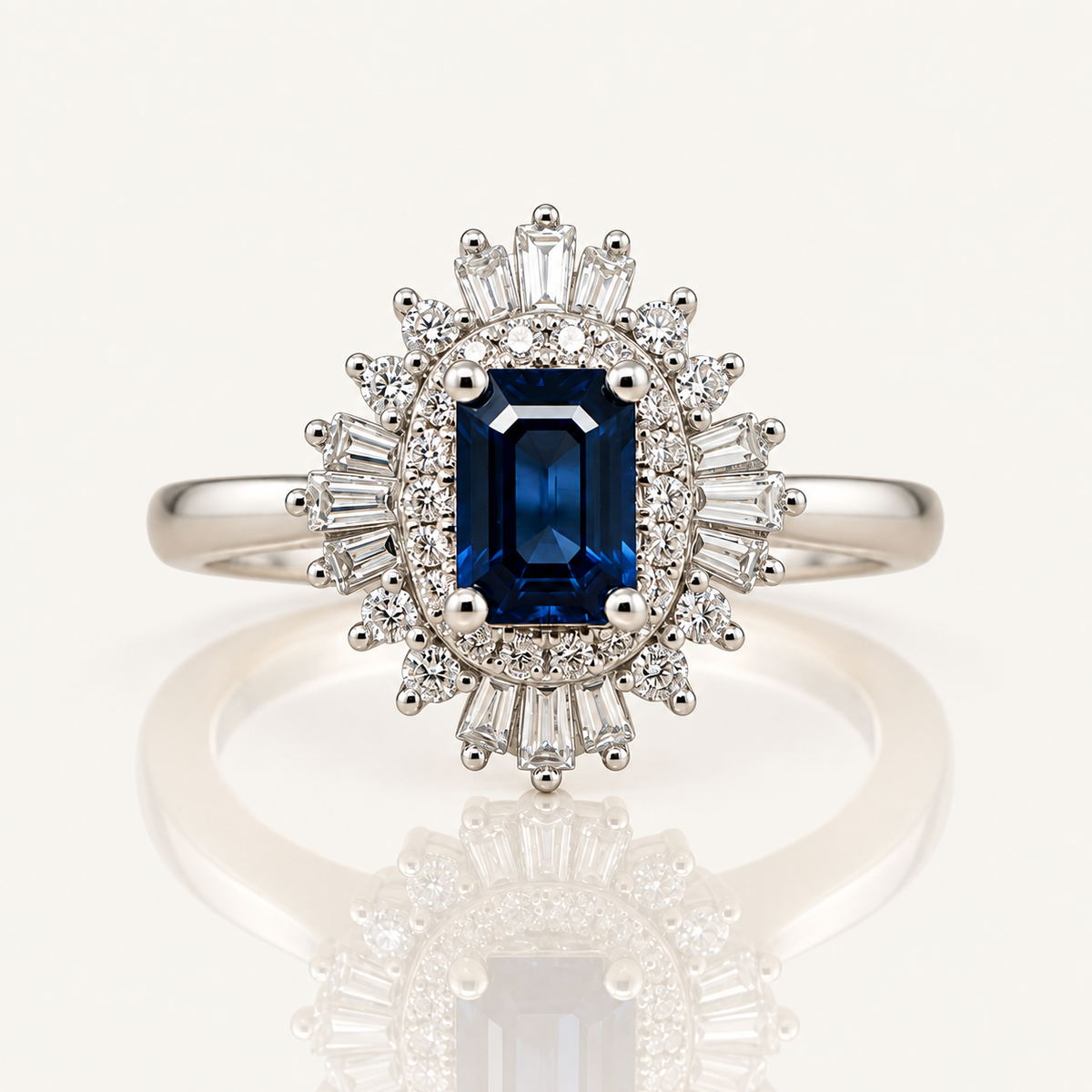
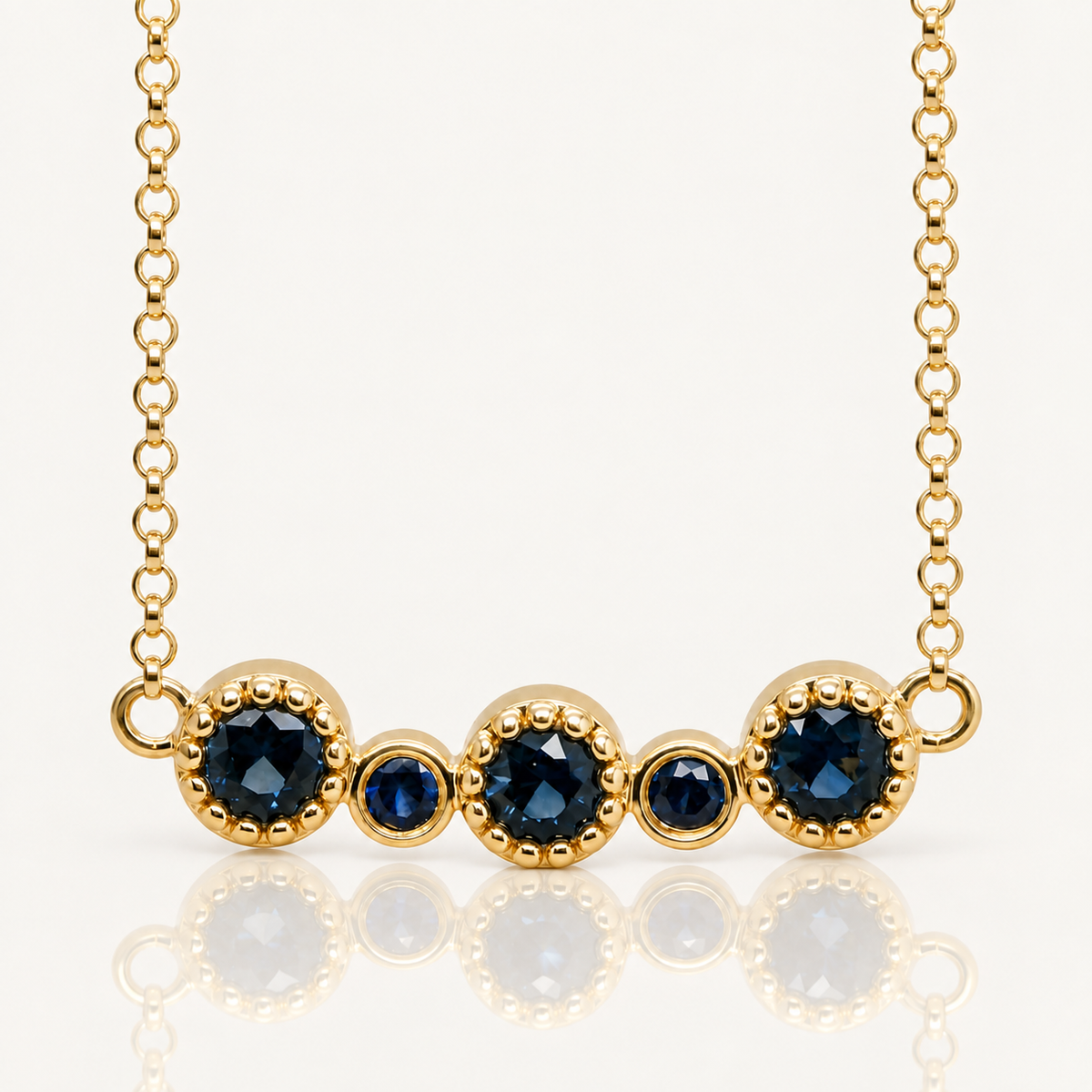
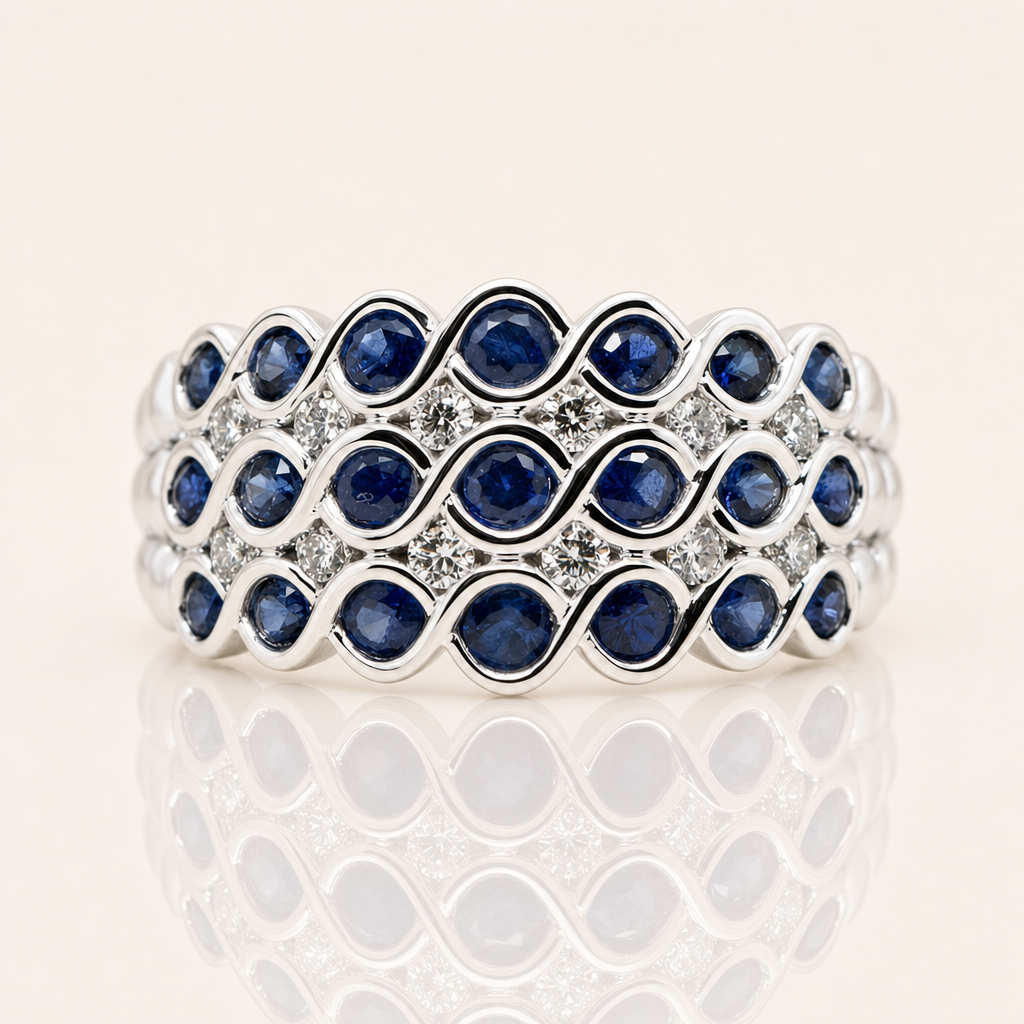
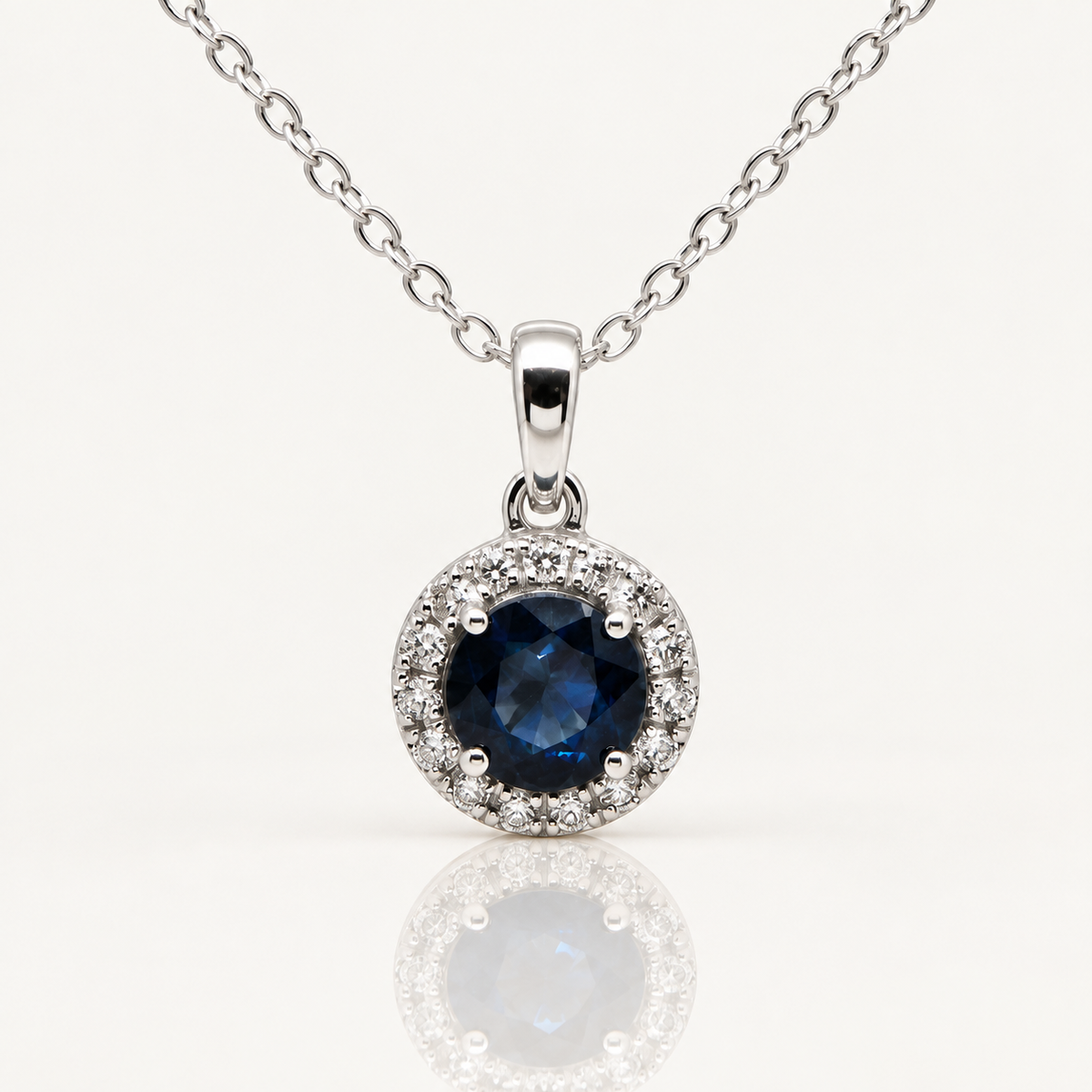
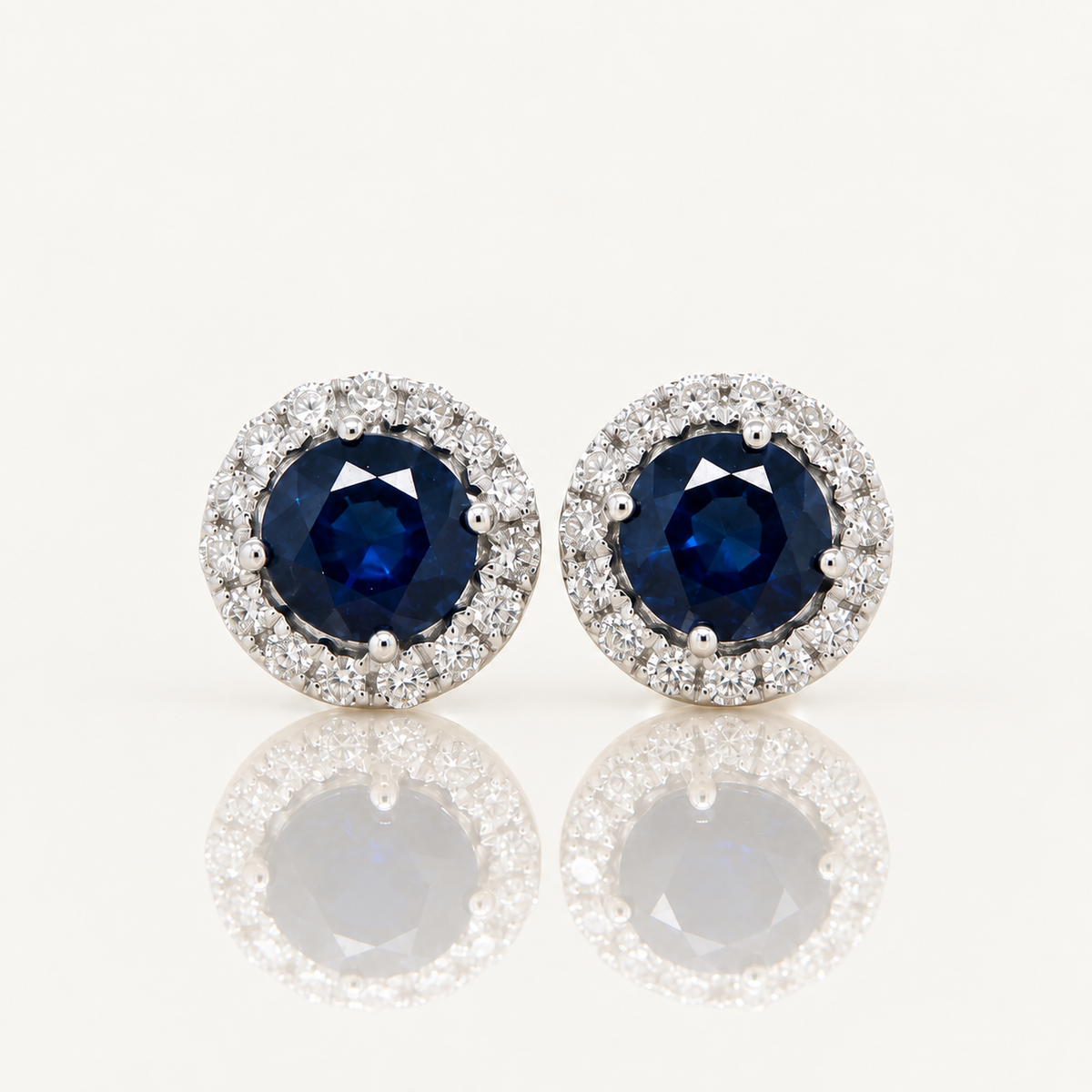
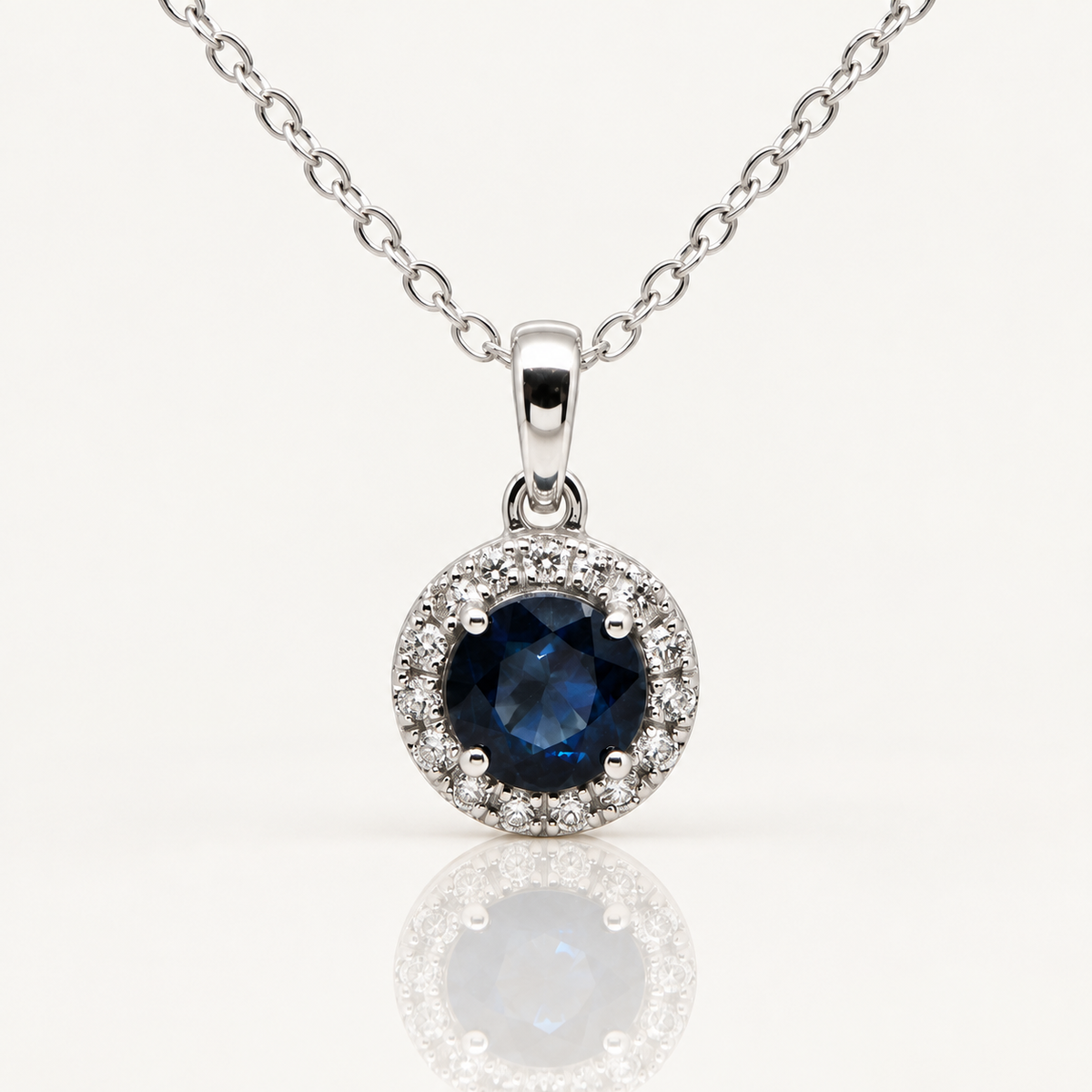
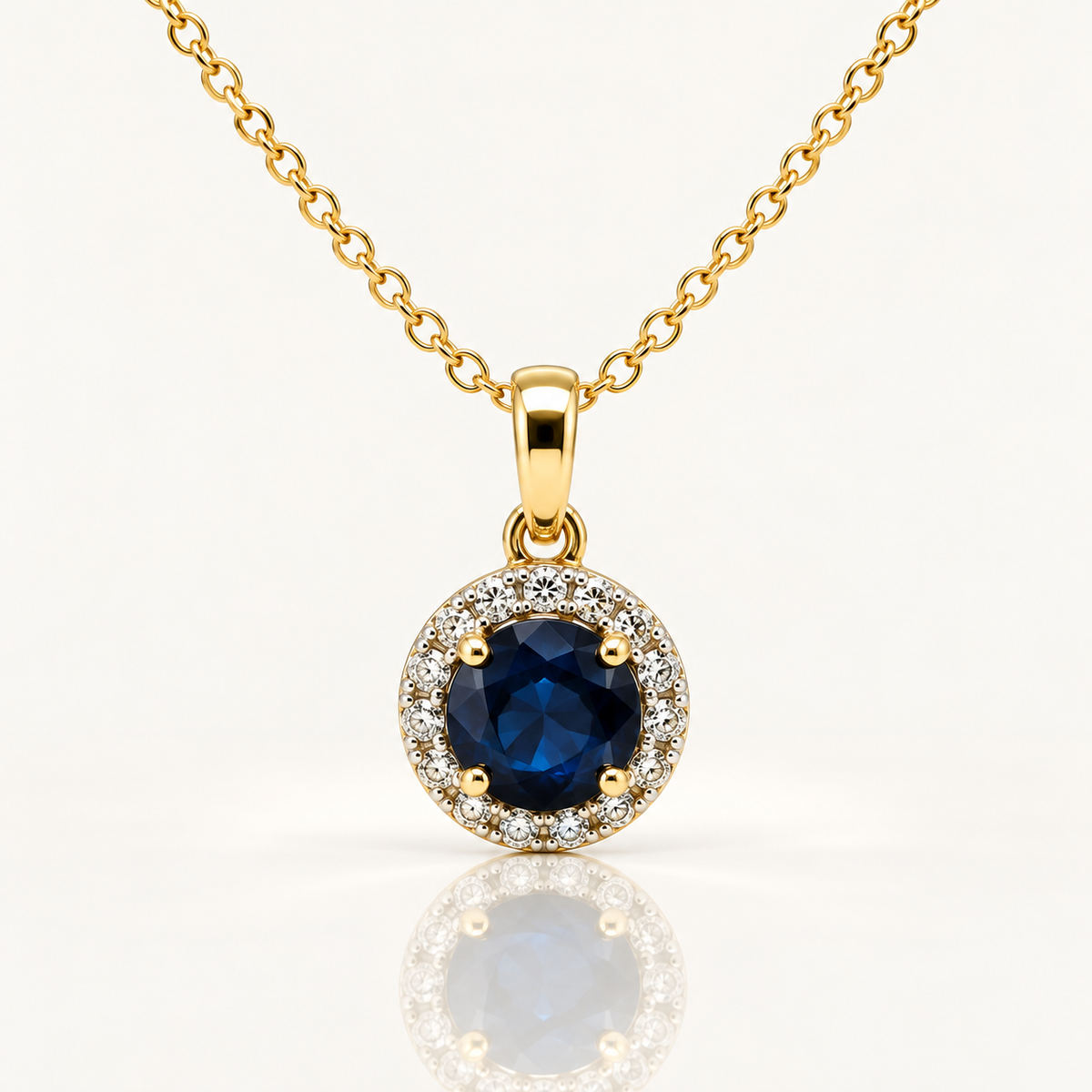
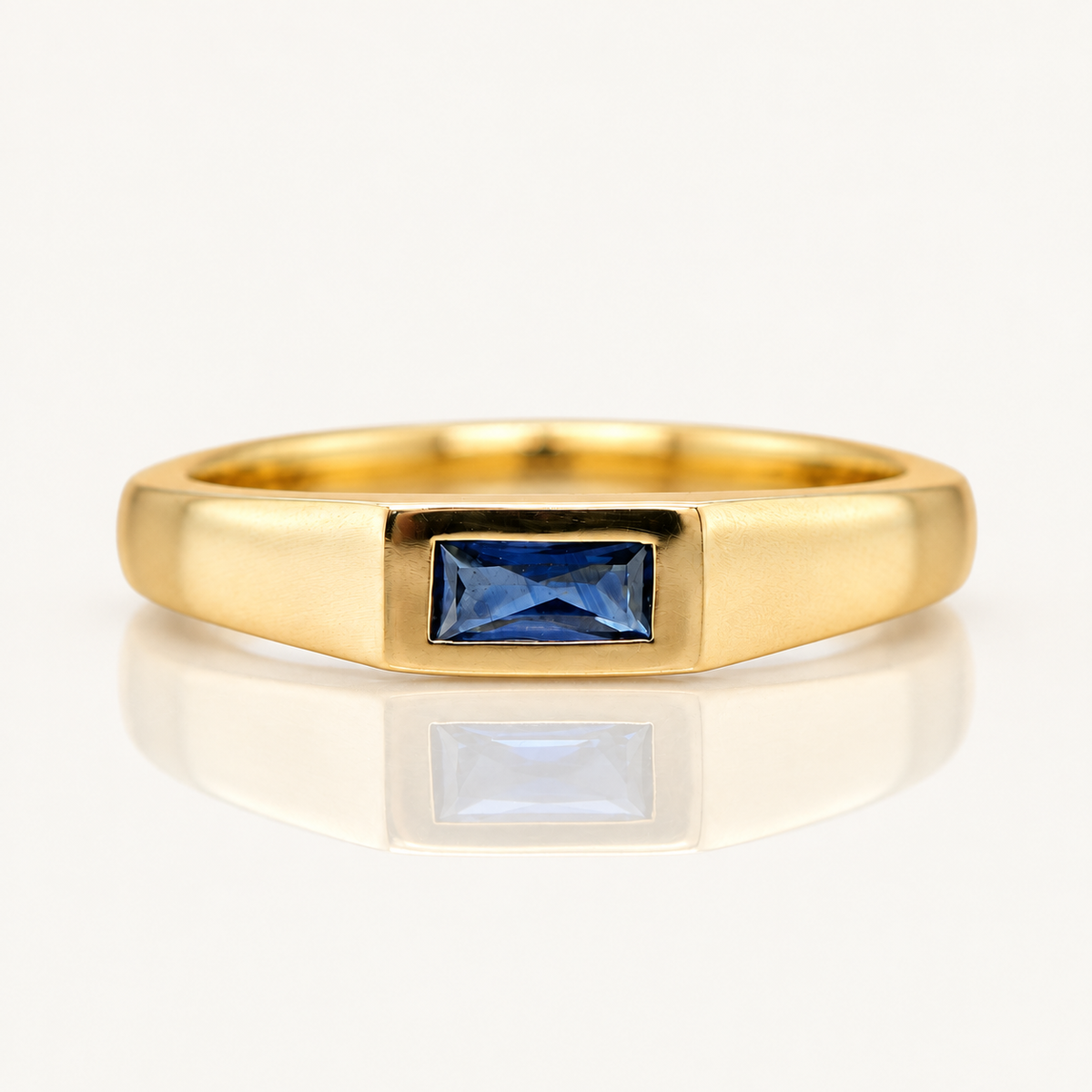
Blue is still the classic, and with it, colour does most of the work. The most prized is a vivid, even blue in a medium-to-medium-deep tone. Rich enough to read as blue from across a room, bright enough to still glow. The trade calls the deeper version royal blue and the softer, velvety one cornflower, a nod to the legendary stones once mined in Kashmir. There are two ways to miss it. Too dark and the stone goes inky and loses its life under anything but bright light. Too pale or too grey and it looks washed out. Get the tone right and everything else follows.
The one everyone knows
A commoner’s sapphire
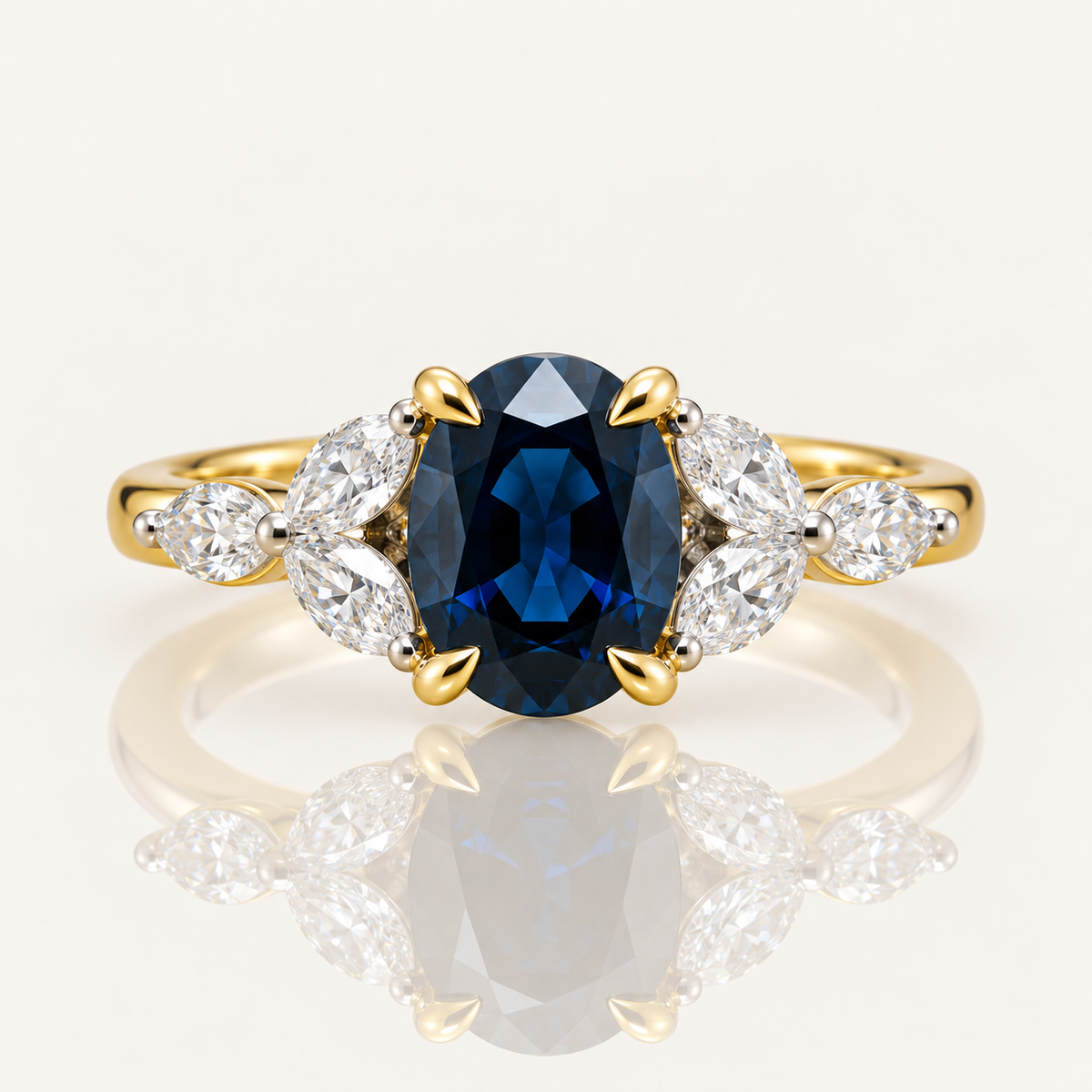
In 1981, Lady Diana Spencer chose her engagement ring from a Garrard catalogue: a twelve-carat oval Ceylon sapphire ringed by fourteen diamonds in white gold. It caused a quiet scandal, because anyone with the money could have bought the same ring off the page rather than commissioning something one of a kind. She wore it for the rest of her life, and William proposed to Catherine with it in 2010, so it’s on a royal hand still. More than any single stone, that ring is why a sapphire feels like a natural choice for an engagement ring today.
Where the finest are found
Including a few from home
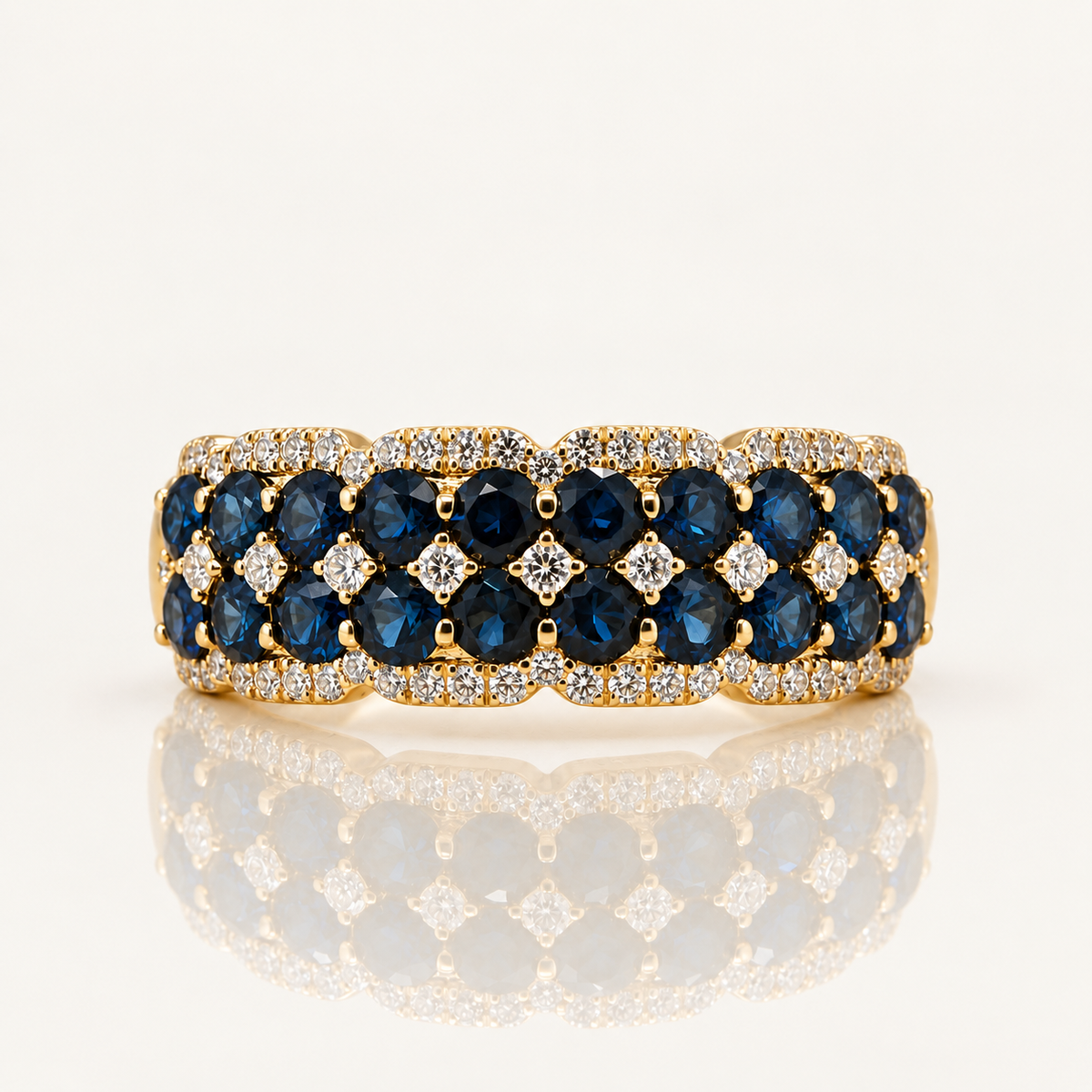
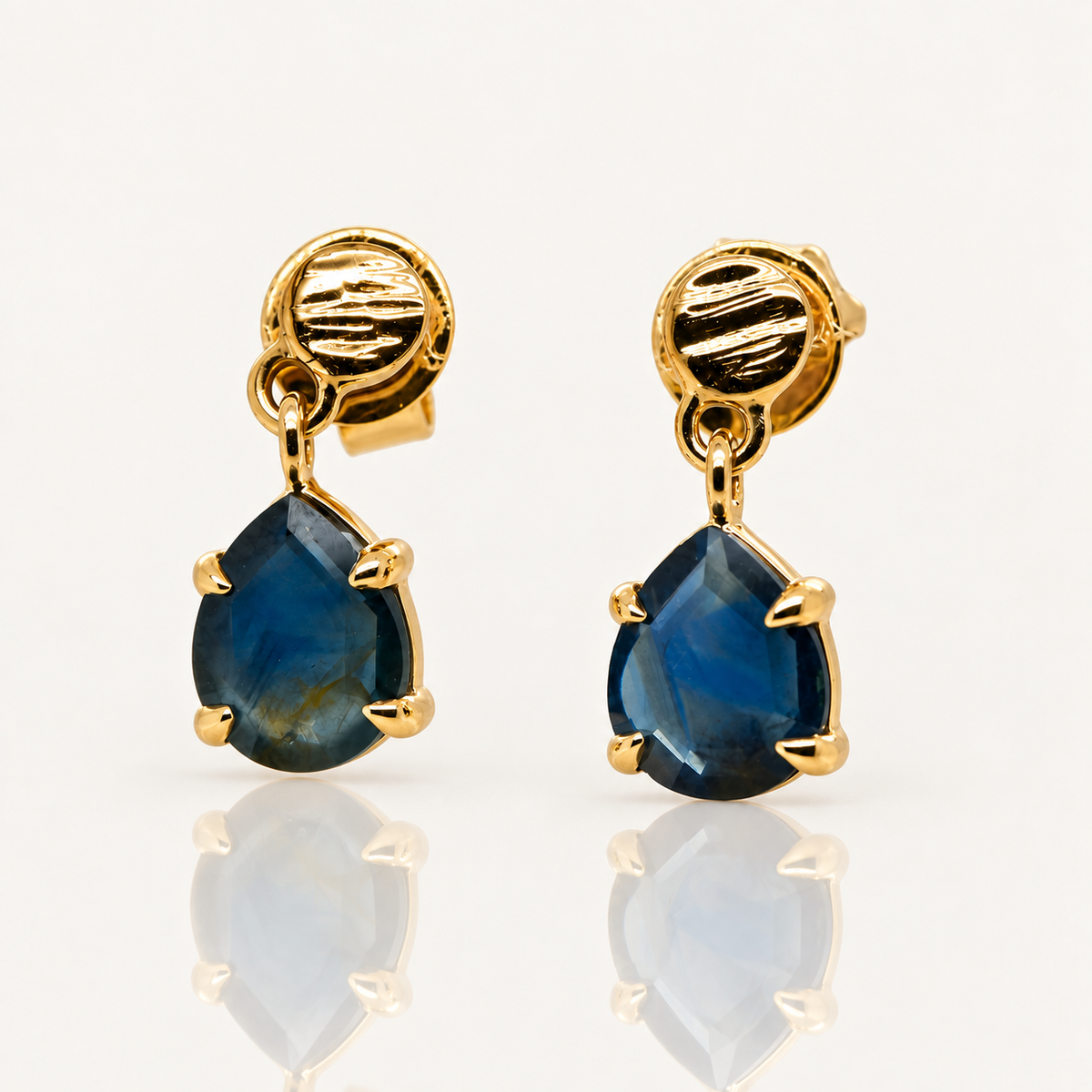
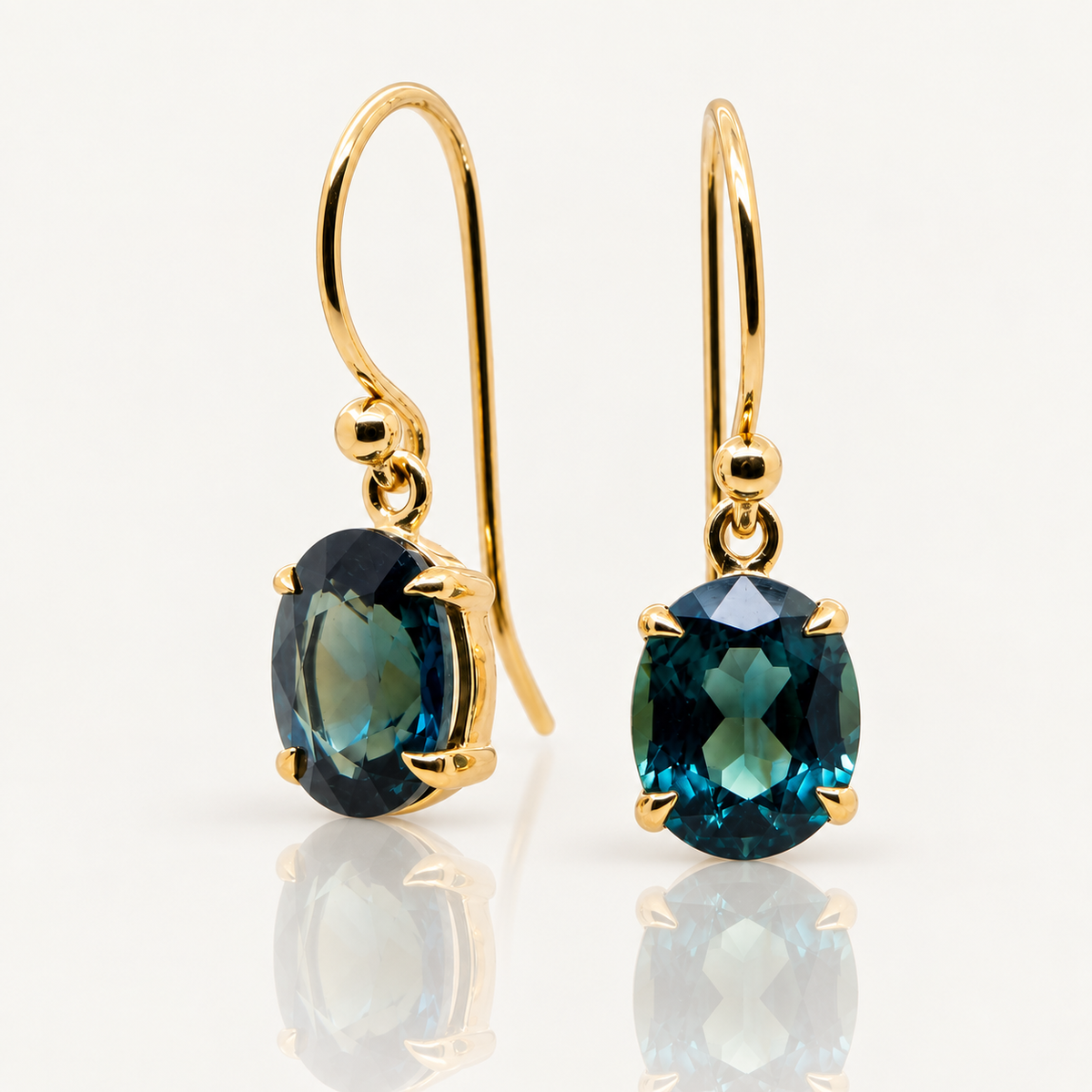
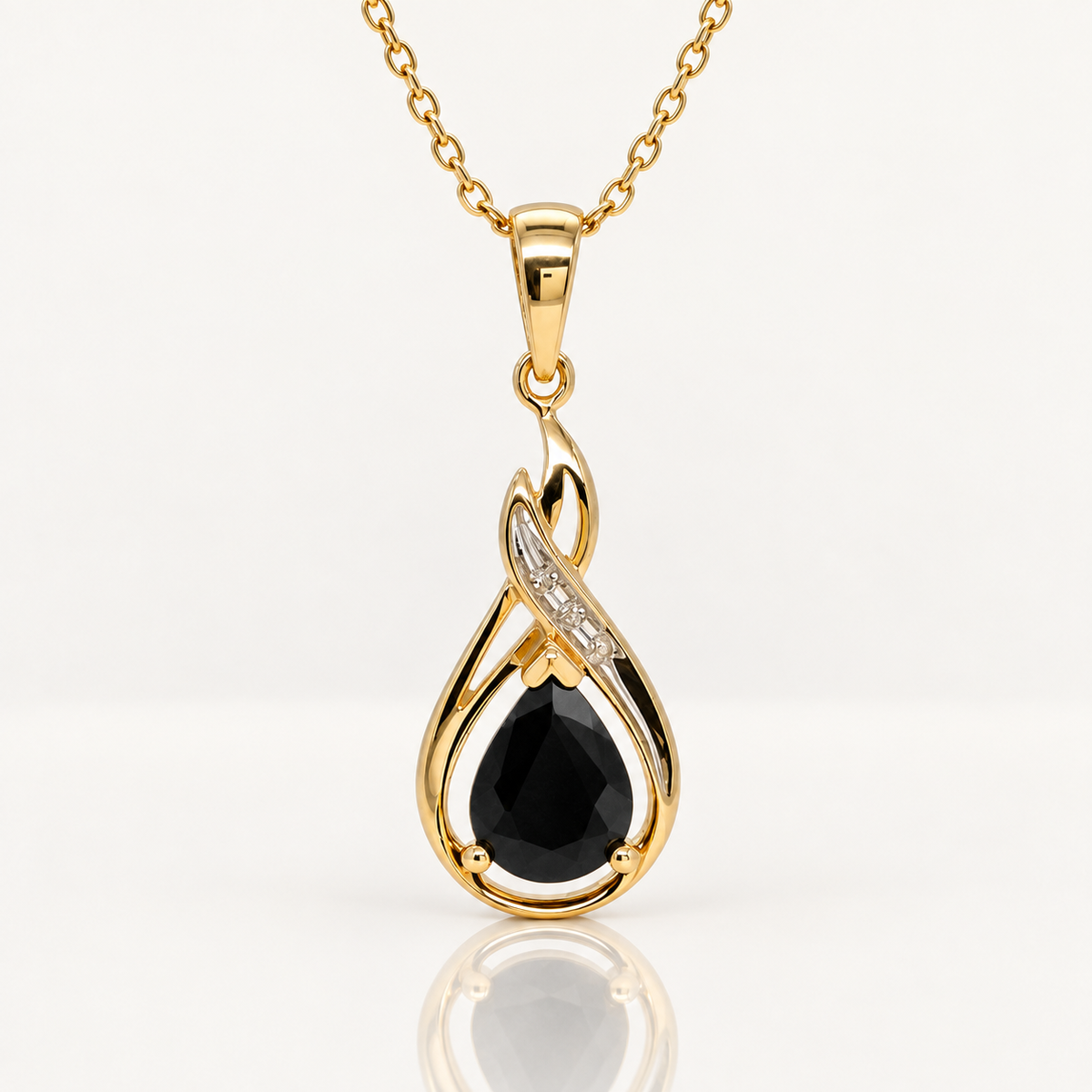
The benchmark for fine blue was set by Kashmir, high in the Himalayas, mined out in a few short decades in the 1880s and almost mythical now. Sri Lanka and Myanmar are close behind for the classic velvety blues. Australia sits in this story too. Through the 1980s it supplied most of the world’s sapphire, and the gemfields around Inverell and Glen Innes in New South Wales and Anakie and Rubyvale in Queensland still turn out characterful blues, greens, teals and the banded parti stones the country is known for. Every stone in our Sapphire Dreams range comes from those fields. Ethically sourced, and about as local as a gemstone gets.
A stone with meaning
Wisdom, loyalty, devotion
Sapphire has stood for truth and faithfulness for a very long time. Medieval clergy wore blue ones as a piece of heaven brought down to earth, and kings and queens reached for it for centuries, long before diamonds took over the engagement ring. Napoleon proposed to Joséphine with a sapphire in 1796. It’s September’s birthstone, and the traditional gift for both a fifth and a forty-fifth wedding anniversary. A stone for the long haul, which suits it.
Wisdom · Loyalty · Devotion
What to look for
Choosing well
Colour leads, then clarity, cut and carat. With a coloured stone, the hue is most of the value. One thing worth knowing: nearly all sapphires on the market have been gently heated to improve their colour and clarity. It’s been done for generations, it’s stable and completely accepted. A stone with fine natural colour and no heating is rarer, and priced accordingly. And don’t be spooked by tiny inclusions. In a coloured stone they’re normal, and they can even help confirm you’re looking at a natural sapphire rather than a synthetic one.
Caring for yours
Easy to live with
Sapphire is about as low-maintenance as fine jewellery gets. Warm soapy water and a soft brush keep it bright, and at Mohs nine it shrugs off the scratches that would dull a softer stone. Skip harsh chemicals, take rings off for anything really rough, and have the setting checked now and then on pieces you wear daily. A plain sapphire is usually fine in an ultrasonic cleaner. Just ask first if yours has been fracture-filled, as those prefer a gentler clean.
Find your sapphire
Start with what we have. Or make it your own.
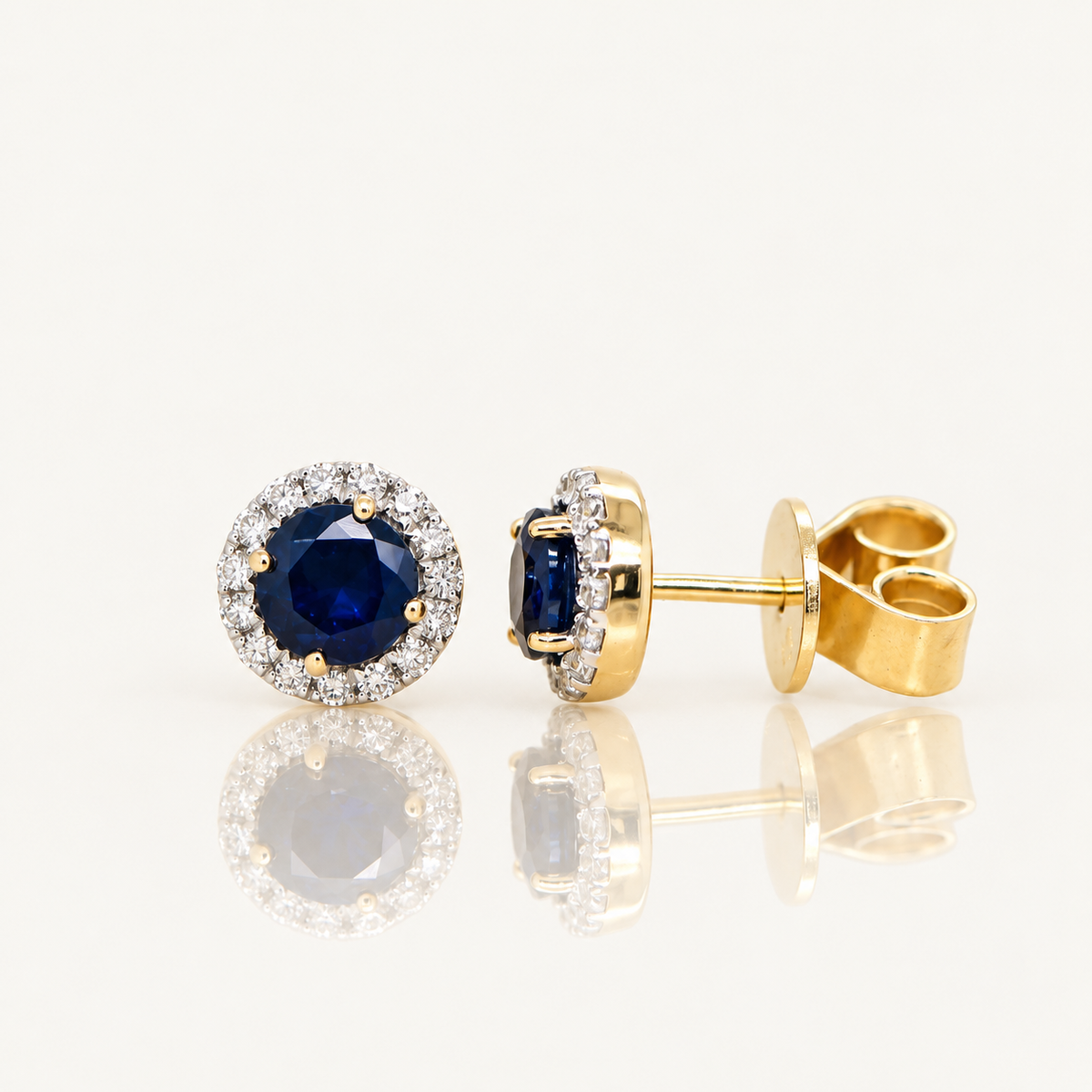
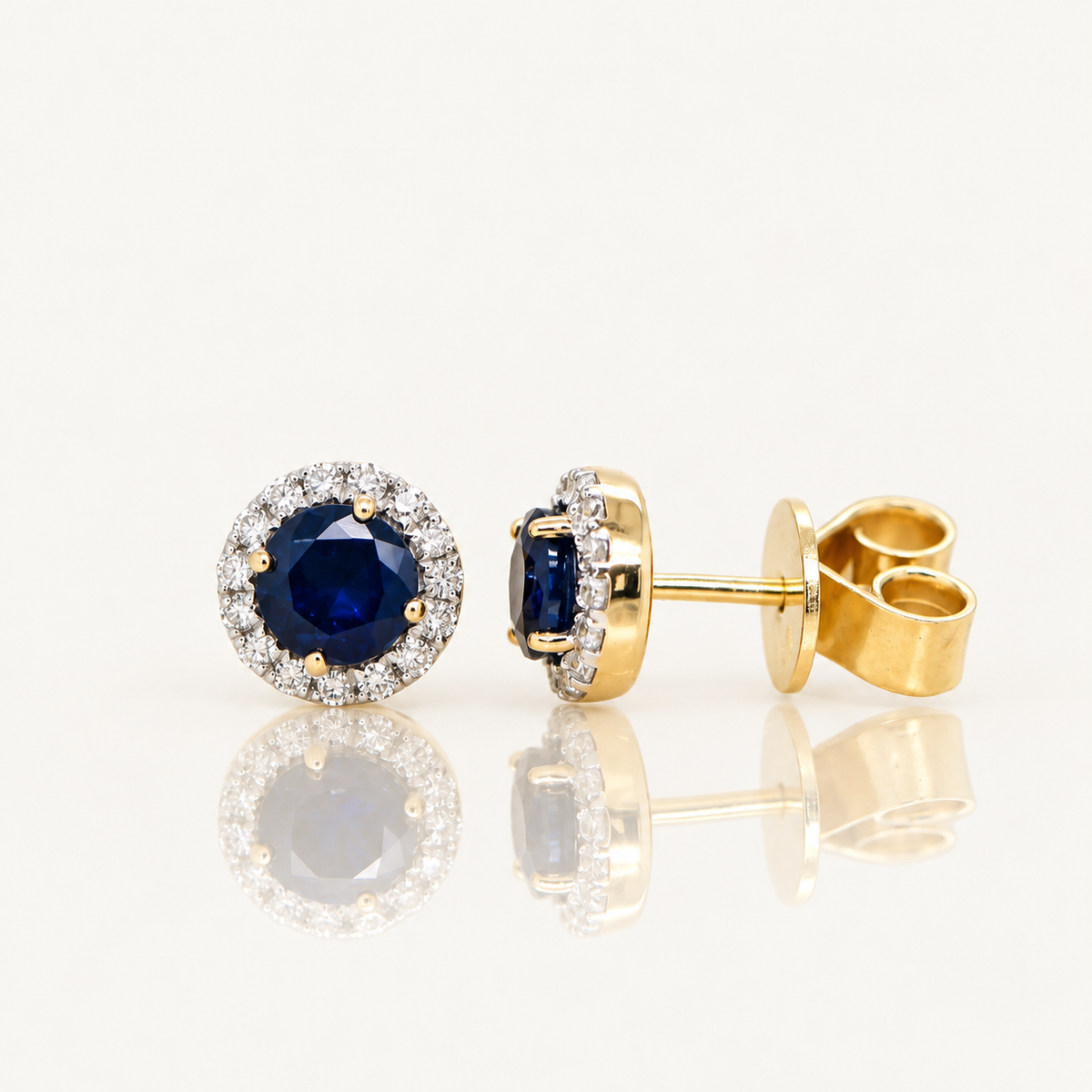
Explore our current sapphire jewellery. If you can’t find a piece you love, we can design one around the colour, stone, setting and details you have in mind.
There’s more to explore
Follow the piece that brought you here
Sapphire goes far beyond blue. Explore unusual gemstones, one-of-a-kind jewellery and colours you may not have considered before.
If you already own sapphire jewellery you no longer wear, see what could be kept, changed or reworked into something you’ll wear again.
Explore Our Sapphire Collection