
The Birthstone Edit · November
Citrine
A close look at November's golden birthstone: why so much of it started out purple, what makes a good stone, and how to wear it well.

Citrine is the colour of honey held up to the light, ranging from delicate lemon yellow to rich golden amber. It shares November with topaz, a gemstone it was confused with for centuries. It also has an unexpected connection to amethyst. Both are varieties of quartz, and much of the citrine seen in jewellery began as purple amethyst before being heat-treated. Knowing that doesn't make the stone any less beautiful. It simply makes its story more interesting.
What is a citrine, really?
Quartz, coloured by iron
Citrine is a yellow-to-orange variety of quartz, the same mineral family as clear rock crystal, amethyst and smoky quartz. Traces of iron within its crystal structure are responsible for its warm colour.
Its name comes from the French citron, meaning lemon, although its colours reach well beyond pale yellow into honey, golden amber and reddish orange. Most faceted citrine is beautifully transparent, allowing the cut to bring out flashes of light and depth of colour. It's a gemstone that gives jewellers plenty of freedom to experiment with shape, proportion and design.
Reading the colour
Pale lemon to Madeira
Citrine ranges from soft lemon yellow through golden honey to deep reddish-orange. The richest of these shades is often called Madeira, after the fortified wine. Some stones glow with a bright, sunny yellow, while others carry a deeper amber warmth. Neither is necessarily the better choice. What matters is a colour that looks lively and even, without obvious muddy or dull areas. Look at citrine in different lighting before deciding which shade speaks to you.
Pale
Lemon
Golden
Honey
Madeira
Five illustrative shades · Pick the one you love
Most citrine started out purple
From purple to golden quartz
Naturally yellow citrine is relatively uncommon. Much of the citrine found in jewellery begins as amethyst, the purple variety of quartz. When heated, certain amethyst crystals change colour, producing shades of yellow, gold and rich reddish orange.
Amethyst and citrine belong to the same quartz family. The heating process changes the colour, but the gemstone remains quartz. It's a fascinating connection between two stones that, at first glance, look completely different.
Amethyst
Citrine
How heating can transform the colour of amethyst.
It isn't topaz
A mix-up that lasted centuries
For centuries, golden gemstones were frequently mistaken for topaz. Citrine was even sold under names such as Madeira topaz, gold topaz and Spanish topaz. Despite their similar appearance, the two are entirely different minerals. Citrine belongs to the quartz family, while topaz has its own distinct crystal structure.
Topaz is harder, ranking 8 on the Mohs scale compared with citrine's 7, although it can be more vulnerable to splitting along natural planes within the crystal. Both gemstones now share the title of November birthstone. If you've inherited a golden gemstone described as topaz, it's worth having a jeweller examine it. Colour alone isn't enough to tell the two apart.
Where citrine comes from
From Brazil to Bolivia
Brazil is one of the world's major sources of citrine, particularly the amethyst that is heated to produce golden quartz. The gem-rich regions of Minas Gerais and Rio Grande do Sul are especially well known. Citrine is also found in Bolivia, Madagascar and parts of Africa.
Bolivia has a particularly interesting connection to the gemstone. At the Anahí mine, purple amethyst and golden citrine can occur naturally within the same crystal. The result is ametrine, a gemstone that displays two colours in one piece of quartz. You can see that beautiful contrast in our emerald-cut ametrine pendant .
A stone with meaning
Warmth, calm, prosperity
Citrine has long been associated with warmth, happiness and good fortune. Historically, it was believed to calm tempers and encourage a peaceful mind. Its golden colour also gave rise to associations with prosperity, earning it the nickname the merchant's stone.
These beliefs have become part of the gemstone's folklore, adding another layer to its appeal. Today, citrine shares November's birthstone title with topaz and is traditionally given to celebrate a thirteenth wedding anniversary.
Warmth · Calm · Prosperity
November birthstone · 13th anniversary
What to look for
Choosing citrine well
01
Colour
Look for a shade that feels lively and consistent. Citrine can be beautifully pale or deeply golden.
02
Clarity
Most faceted citrine is eye-clean, meaning there are no obvious inclusions visible without magnification.
03
Cut
A considered cut brings out the stone's brightness and helps prevent areas that look dull or excessively dark.
04
Proportions
The stone's shape and proportions influence how its colour appears and how it sits within a design.
The main thing
Choose the shade you love first. Then look for a cut that brings it to life.

A closer look
Let the colour do the talking.
Citrine's warmth makes it particularly beautiful in yellow gold. In a simple pair of studs, the colour becomes the focus, while the setting gives the gemstone room to catch the light.
Can you wear citrine every day?
Beautiful, with a little care
Citrine sits at 7 on the Mohs hardness scale, making it suitable for many types of jewellery, including rings. It's reasonably resistant to everyday wear, although it's not as hard as gemstones such as sapphire or diamond.
Over time, regular contact with harder materials can leave fine scratches, and a sharp knock may chip the stone. The type of jewellery and its setting make a difference to how well citrine wears over the years.
A little extra care
Rings
Citrine makes a beautiful ring, particularly in a setting that protects its edges and corners. Remove it before gardening, exercising or other activities where it may take a knock.
Naturally suited
Earrings & pendants
Earrings and pendants generally experience fewer knocks than rings. They're lovely ways to wear citrine regularly, allowing the stone's warm colour to take centre stage.

Citrine in jewellery
Golden warmth, worn beautifully.
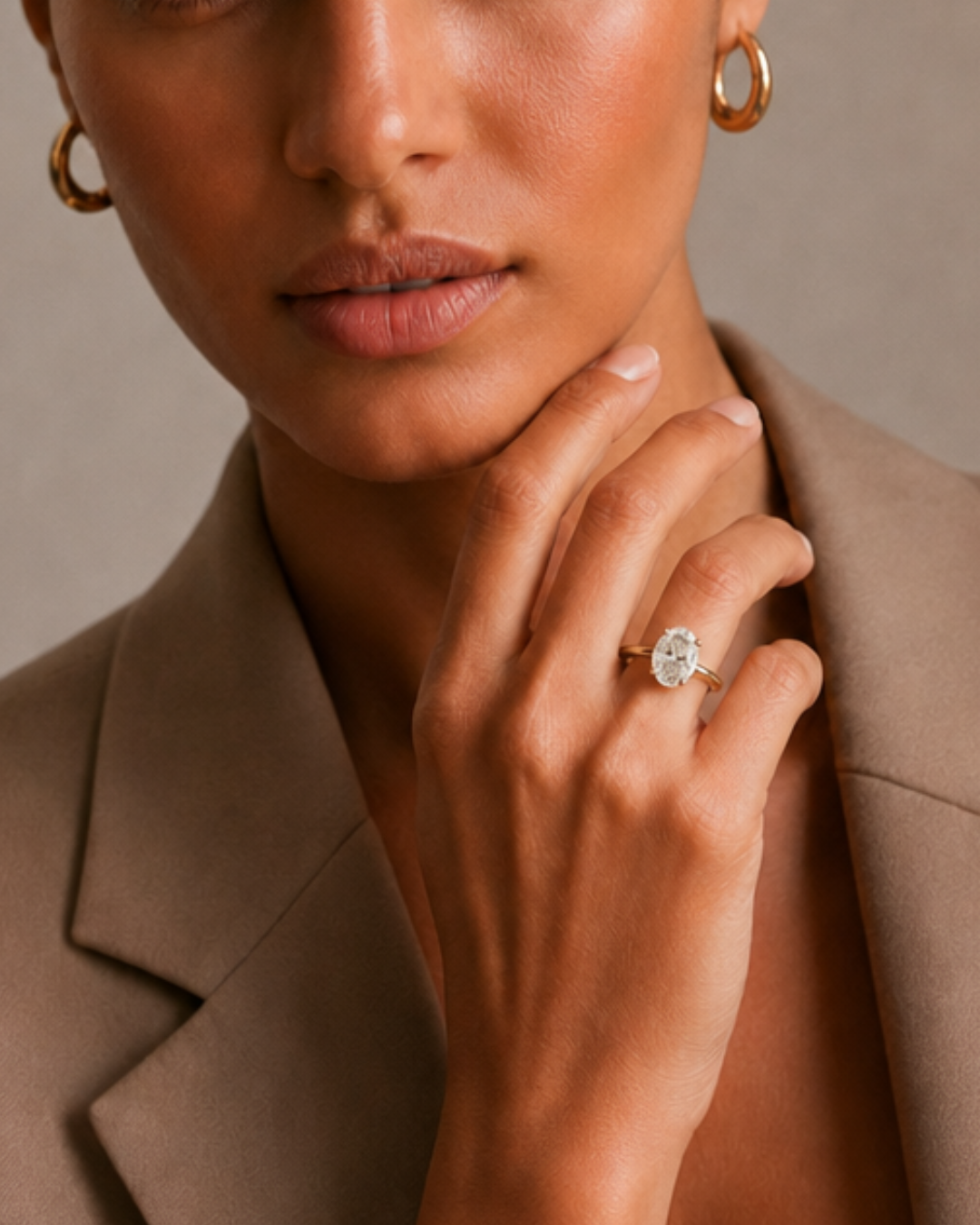
Against the skin, citrine takes on a lovely warmth. Paired with yellow gold, its honey and amber tones feel particularly rich. A considered setting allows the stone's colour and cut to remain the focus.
Caring for yours
A few simple habits
01
Clean it gently
Warm water, mild soap and a soft brush or cloth are usually all you need. Rinse carefully and dry with a soft, lint-free cloth.
02
Avoid strong heat
Keep citrine away from extreme heat and prolonged intense light. Some stones can gradually lose colour when exposed to these conditions.
03
Store it separately
Harder gemstones, including diamonds and sapphires, can scratch citrine. A soft pouch or separate jewellery compartment will help protect its surface.
If your citrine ring takes a knock or a claw catches, have the setting checked before wearing it again.
Discover citrine jewellery
Golden colour, beautifully worn

The November Edit
A little golden warmth.
Discover our citrine jewellery, from softly glowing golden tones to rich amber shades. Explore pieces that let this beautiful gemstone take centre stage.
Explore the collectionKeep exploring
There's always another stone to discover.
Missed October's Birthstone Edit? Explore the extraordinary colours of tourmaline, or take inspiration from the gemstones you've discovered and create something entirely your own.